By Interestana AI Editorial — AI-drafted, human-overseen. How we report
Pete Hegseth Delivers Partisan Address with Some Merit
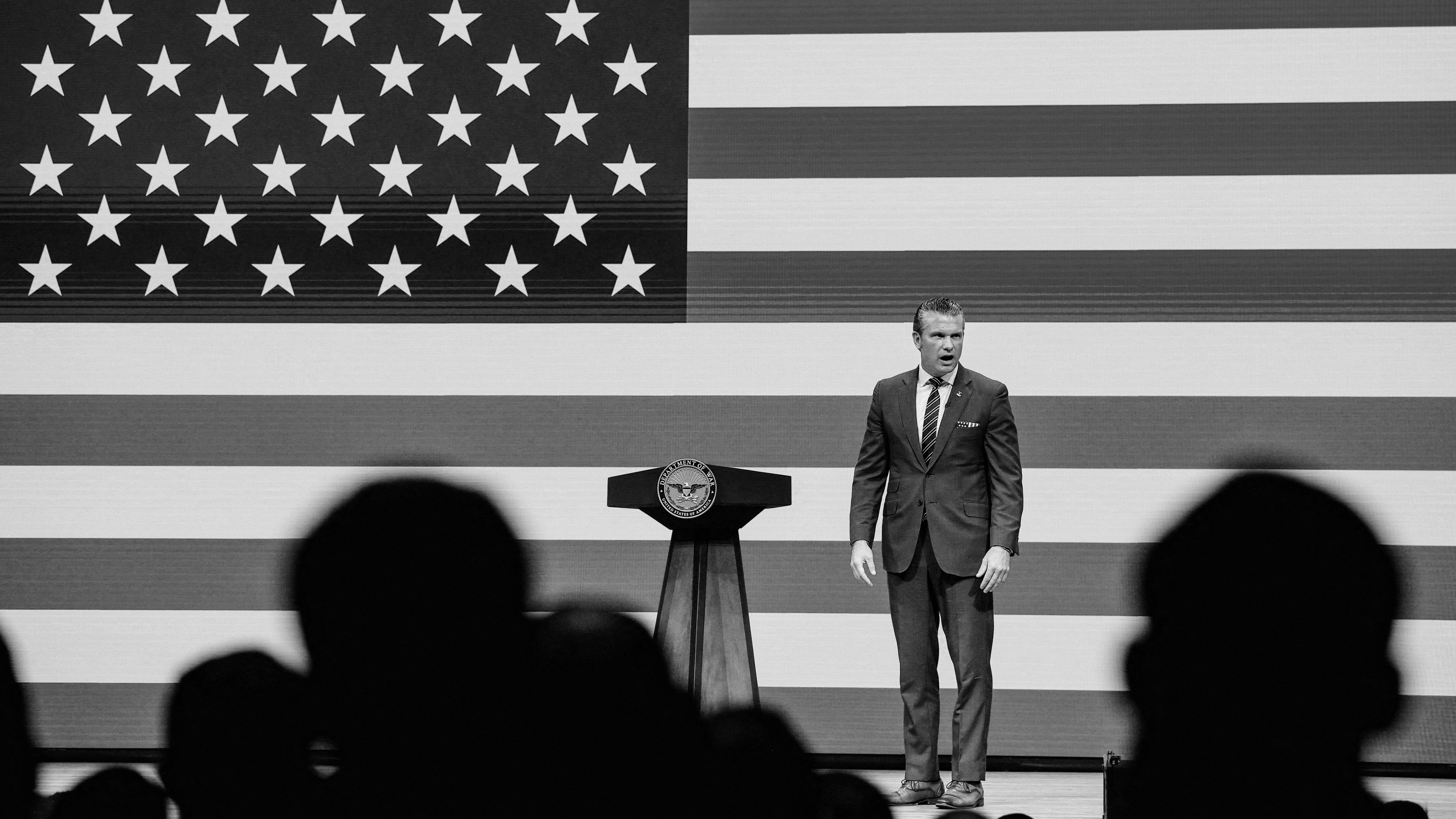
Pete Hegseth delivered an address titled "State of the Force," which has drawn criticism for its overtly partisan nature. Despite the partisan framing, the address is reported to have contained several ideas that are considered potentially beneficial. The specific content and context of these ideas, however, remain largely overshadowed by the political rhetoric employed during the speech. The "State of the Force" address, delivered by Hegseth, aimed to outline a particular vision or strategy, but its reception has been mixed, with commentators focusing on its political leanings rather than its substantive proposals. The address's effectiveness in communicating its intended message is therefore questionable, as the partisan elements appear to have detracted from any potentially constructive elements. Further analysis of the specific proposals within the speech is necessary to determine their true merit and potential impact. The partisan nature of the address suggests a deliberate attempt to align with or promote a specific political agenda, which may limit its appeal and acceptance among a broader audience. The inclusion of "good ideas" within a partisan framework presents a challenge for objective evaluation, as the political context can influence perceptions of their value. The "State of the Force" address, as a communication event, highlights the ongoing tension between political messaging and policy substance in public discourse. The speaker's intent may have been to galvanize a particular base or to influence policy debates through a politically charged presentation. However, the criticism suggests that this approach may have been counterproductive in achieving broader acceptance or constructive dialogue. The specific nature of the "good ideas" remains a point of interest, as their potential to transcend the partisan packaging is a key question. Without more detailed information on the content of these ideas, it is difficult to assess their independent merit. The address serves as an example of how political framing can impact the reception of policy proposals, even when those proposals might have intrinsic value. The "State of the Force" title itself implies a strategic or operational focus, which, when combined with partisan rhetoric, creates a complex communication dynamic. The effectiveness of such addresses often depends on the audience's predisposition and the speaker's ability to balance ideological messaging with practical considerations. The criticism suggests that this balance was not achieved in Hegseth's "State of the Force" address, leading to a focus on the political rather than the programmatic aspects of his presentation. The "few good ideas" mentioned are thus embedded within a larger, politically charged narrative, making their extraction and evaluation a significant task for any observer seeking to understand the address's potential contributions.
Original source — read the full reporting at the publisher:
Read on The AtlanticGet the weekly AI digest
AI news + new model releases, weekly. Drafted by our agents, reviewed by humans.