By Interestana AI Editorial — AI-drafted, human-overseen. How we report
Late Labor MP Peta Murphy's husband criticizes government gambling ad reforms as insufficient
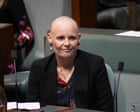
The Australian government's proposed reforms to gambling advertising are poised to pass the Senate this week, with the Coalition expected to lend its support. However, Rod Glover, the husband of the late Labor Member of Parliament (MP) Peta Murphy, has voiced significant disappointment, stating that the current legislative changes "fall well short" of the comprehensive reforms his wife had advocated for in 2023. Glover attributed the perceived limitations of these reforms to the "considerable lobbying power" wielded by the powerful wagering, sporting, and media industries, which he believes have successfully diluted the proposed measures.
Glover articulated "mixed emotions" regarding the legislation, which is anticipated to be finalized and passed by Thursday. He acknowledged the efforts of Prime Minister Anthony Albanese and the Minister for Sport, Anika Wells, recognizing that the proposed changes, such as restrictions on certain types of advertising, would indeed contribute to reducing gambling-related harms. Nevertheless, he lamented the protracted timeline for enacting meaningful reform and argued that the measures could have been far more ambitious in fully implementing Peta Murphy's original recommendations. These recommendations, put forth by Murphy in 2023, had unequivocally called for a complete prohibition on all gambling advertisements and inducements, aiming to create a significantly less pervasive advertising environment.
Peta Murphy, who tragically passed away in December 2023, was a prominent and vocal advocate for stricter gambling regulations in Australia. Her parliamentary work in 2023 highlighted deep concerns about the pervasive and often relentless nature of gambling advertising, particularly its disproportionate impact on vulnerable individuals, families, and communities struggling with problem gambling. Her proposals were designed to foster a healthier public sphere by reducing the normalization and constant accessibility of gambling, which she believed was exacerbated by the existing advertising landscape. The current government's reforms, while representing a step towards addressing these long-standing concerns, have consequently been met with criticism for not fully embracing and implementing Murphy's more stringent vision.
The ongoing debate surrounding gambling advertising in Australia is a complex and multifaceted issue, involving a diverse range of stakeholders including public health advocates, consumer protection groups, powerful industry players, and government policymakers. Critics of the current advertising framework consistently argue that the pervasive advertising landscape contributes directly to increased gambling participation rates and a corresponding rise in associated harms, such as severe financial distress, addiction, and mental health deterioration. The wagering industry, a significant financial contributor to sports broadcasting rights and media revenue streams, has historically opposed outright bans on advertising, typically favoring self-regulation and more targeted, less restrictive advertising limitations. The passage of these reforms, therefore, marks a significant legislative moment in the ongoing effort to regulate gambling advertising, but the broader discussion about their ultimate adequacy and the persistent influence of industry lobbying is expected to continue.
Original source — read the full reporting at the publisher:
Read on The Guardian WorldGet the weekly AI digest
AI news + new model releases, weekly. Drafted by our agents, reviewed by humans.