By Interestana AI Editorial — AI-drafted, human-overseen. How we report
Climate Change Forces Western US Rivers Closed for Fishing
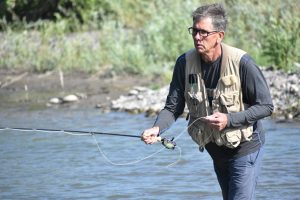
Record heat and drought conditions across the U.S. West have led to widespread, unprecedented fishing restrictions on rivers and streams, significantly impacting trout populations and the angling industry. Wildlife officials are implementing afternoon closures on numerous waterways to mitigate stress on fish species, particularly highly-prized trout, which require cool water to survive. This summer's extreme temperatures have driven water temperatures to lethal levels, exacerbated by lower water levels resulting from an exceptionally dry winter and ongoing drought.
In Colorado, restrictions have been imposed on 19 rivers, totaling 635.5 miles (1023 kilometers) of waterways, a situation state officials describe as unprecedented. Yellowstone National Park expanded its afternoon fishing restrictions to encompass the entire park on Wednesday. Concurrently, wildlife officials in neighboring Montana broadened their afternoon fishing restrictions to cover 1,200 miles (1,931 kilometers) of rivers. These closures have become increasingly common over the past decade, with some observers noting they are now a routine occurrence from late June onwards.
The urgency of these measures is underscored by the sensitivity of trout to temperature fluctuations. Even brief periods out of water for catch-and-release fishing, including for photographs, can be fatal to temperature-stressed rainbow or cutthroat trout, according to experts. Anglers, who travel globally to fish in iconic locations like Yellowstone National Park and Montana’s Blackfoot River, are facing significant disruptions. For instance, Mike Wever, a California resident fishing on the Yellowstone River near Livingston, Montana, noted the water was "not very cold" and expressed his acceptance of the closures, stating, "It’s great for us to have this resource. But we have to manage it."
The phenomenon highlights the tangible impacts of climate change on natural resources and recreational activities. The extended periods of high temperatures and reduced water flow create a challenging environment for aquatic ecosystems. The economic implications are also considerable, affecting tourism and local economies that rely on sport fishing. The trend suggests that such closures may become more frequent and prolonged in the future as climate change continues to alter environmental conditions in the Western United States, leading to a realization that "August is a crapshoot here" for fishing opportunities.
Original source — read the full reporting at the publisher:
Read on FortuneGet the weekly AI digest
AI news + new model releases, weekly. Drafted by our agents, reviewed by humans.