By Interestana AI Editorial — AI-drafted, human-overseen. How we report
Pennsylvania faces largest measles outbreak in decades as case count rises to 1,004, with five deaths
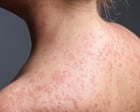
Pennsylvania is currently experiencing its most severe measles outbreak in over three decades, with state health officials confirming 1,004 cases as of Monday. This alarming figure represents a significant public health challenge for the Commonwealth, underscoring the resurgence of a highly contagious viral illness that was once largely controlled through widespread vaccination efforts. The severity of the situation is further emphasized by the tragic loss of five Pennsylvania residents who succumbed to the disease, alongside 198 individuals requiring hospitalization due to measles complications. These numbers paint a stark picture of the impact on both individual well-being and the strain on healthcare resources.
The escalating measles situation in Pennsylvania is not an isolated event but rather part of a broader national concern. Neighboring states are also reporting hundreds of cases, contributing to a nationwide total of over 3,800 recorded cases. This widespread increase has prompted urgent public health responses across various regions. For instance, New York, a neighboring state, previously declared a state of emergency in response to its own rapidly rising measles rates, illustrating the interconnected nature of public health threats in the United States. The re-emergence of measles is widely attributed by public health experts, including those at the Centers for Disease Control and Prevention (CDC), to declining vaccination rates. This decline can create pockets of unvaccinated or under-vaccinated individuals, leaving communities vulnerable to outbreaks when the virus is introduced.
Measles, caused by the measles virus, is an airborne disease characterized by a distinctive rash, fever, cough, and runny nose. While often perceived as a childhood illness, it can lead to severe and life-threatening complications. These include pneumonia, encephalitis (swelling of the brain), and, in vulnerable populations such as infants, the elderly, and individuals with compromised immune systems, can be fatal. The CDC strongly recommends the measles, mumps, and rubella (MMR) vaccine as the most effective preventive measure. A two-dose regimen of the MMR vaccine provides robust and long-lasting immunity. Public health officials are intensifying their calls for vaccination, urging all eligible individuals, particularly those who are unvaccinated or incompletely vaccinated, to seek the MMR vaccine to protect themselves, their families, and their communities from this preventable disease. The current outbreak serves as a critical reminder of the importance of maintaining high vaccination coverage to safeguard public health against the re-emergence of vaccine-preventable diseases.
Original source — read the full reporting at the publisher:
Read on The Guardian WorldGet the weekly AI digest
AI news + new model releases, weekly. Drafted by our agents, reviewed by humans.