By Interestana AI Editorial — AI-drafted, human-overseen. How we report
Nearly 400 Australian Species, Including Penguins and Dolphins, Face High Risk from H5N1 Bird Flu
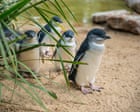
A comprehensive federal government assessment has identified a concerningly high risk to nearly 400 native Australian bird and mammal species from the deadly H5N1 bird flu virus. This extensive evaluation, which scrutinized over 2,000 native species, reveals that an alarming proportion – approximately one in five – are now considered to be at high risk, or facing even greater peril, from this highly pathogenic avian influenza. The assessment warns that if the virus were to reach these vulnerable populations, it could result in "severe reduction in population size or viability," potentially leading to significant ecological disruption.
The list of species deemed at least "high risk" includes some of Australia's most recognizable and cherished wildlife. Among them are various species of penguins, vital to coastal ecosystems; fur seals, important marine mammals; quolls, a group of carnivorous marsupials unique to Australia; and dolphins, intelligent marine cetaceans. The assessment further highlights that over 300 distinct bird species and the iconic Tasmanian devil, a marsupial carnivore endemic to Tasmania, are also among those most susceptible to the devastating effects of H5N1. The H5N1 virus, commonly referred to as bird flu, has a well-documented history of causing widespread mortality events in avian populations globally and has demonstrated an increasingly broad host range, extending to mammals, which amplifies concerns for Australia's unique and often isolated biodiversity.
The "true extent of the disaster" is only now being fully comprehended through this detailed governmental evaluation. The implications of these findings are profound, underscoring the potential for a widespread ecological crisis should H5N1 become established within Australia's native wildlife. This report serves as a critical and urgent warning, necessitating immediate and robust biosecurity measures and proactive conservation strategies. The government's detailed risk assessment, which categorizes species based on their susceptibility and the potential impact of an outbreak, is crucial for prioritizing conservation efforts and developing effective response plans. The sheer scale of the threat, encompassing such a vast number of species, demands a coordinated and resilient approach to safeguard the nation's irreplaceable natural heritage from this pervasive and dangerous pathogen.
Original source — read the full reporting at the publisher:
Read on The Guardian WorldGet the weekly AI digest
AI news + new model releases, weekly. Drafted by our agents, reviewed by humans.