By Interestana AI Editorial — AI-drafted, human-overseen. How we report
PBOC Boosts Liquidity for Tax Payments, Debt Issuance
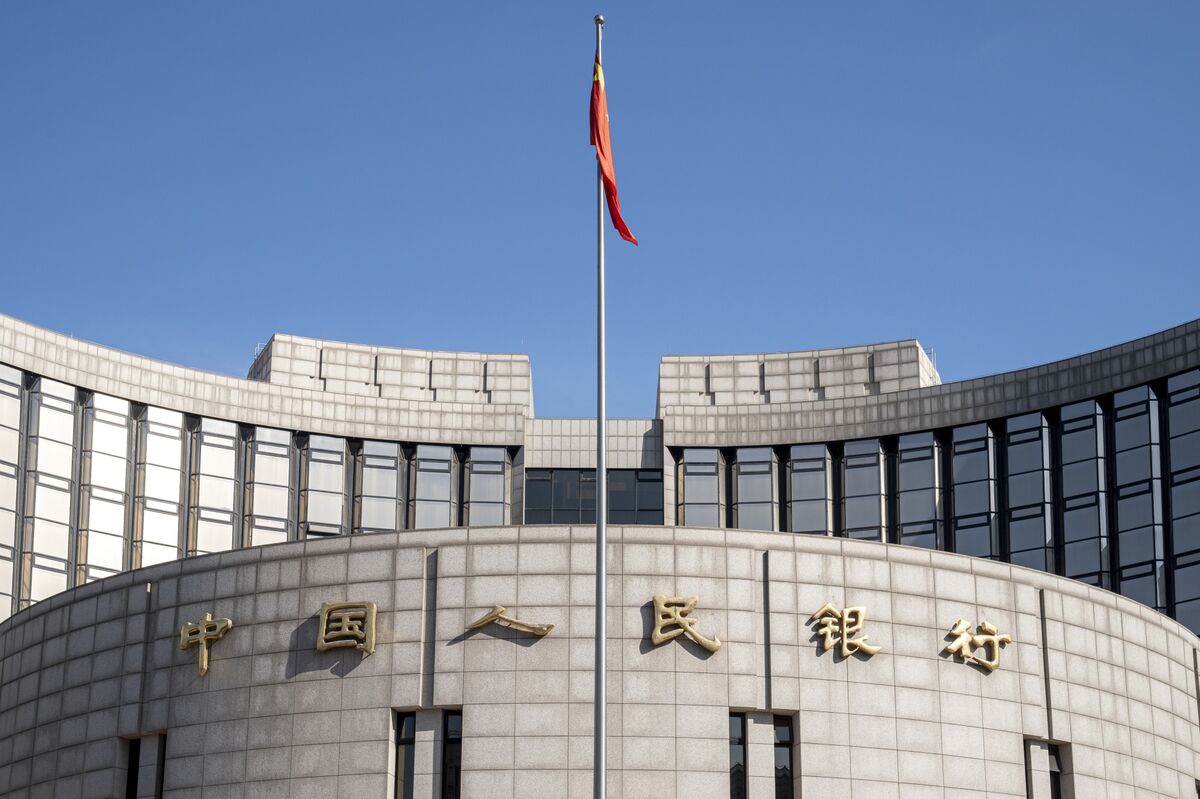
The People's Bank of China (PBOC) announced on Monday, November 20, 2023, that it is enhancing longer-term liquidity injections into the financial system. This action is being implemented through outright reverse repurchase agreements, a mechanism designed to provide funds to commercial banks. The primary objective of this liquidity boost is to ensure that companies and individuals have sufficient funds to meet upcoming tax payment obligations. These payments typically lead to a withdrawal of funds from the banking system, and the PBOC's intervention aims to counteract this effect.
In addition to easing the burden of tax payments, the PBOC's move is intended to maintain stable demand for debt issuance. As corporations and local governments often issue bonds to raise capital, a smooth flow of liquidity is crucial for the success of these offerings. By injecting funds, the central bank seeks to prevent a tightening of credit conditions that could hinder debt market activity. This proactive measure is a standard tool for central banks to manage short-term fluctuations in money supply and ensure financial stability.
The PBOC's decision reflects its ongoing efforts to fine-tune monetary policy to support economic activity without stoking inflation. The central bank has been closely monitoring economic indicators and has previously adjusted its liquidity operations to align with its policy objectives. The specific tenor and volume of the reverse repurchase agreements were not detailed in the initial announcement, but the emphasis on "longer-term" suggests a duration beyond the typical overnight or seven-day operations, aiming for a more sustained impact on market liquidity.
Original source — read the full reporting at the publisher:
Read on Bloomberg MarketsGet the weekly AI digest
AI news + new model releases, weekly. Drafted by our agents, reviewed by humans.