By Interestana AI Editorial — AI-drafted, human-overseen. How we report
MacIntyre Stays in Open Hunt After Second-Round 69
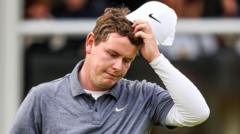
Robert MacIntyre stated that patience was instrumental in his achieving a 69 in the second round of the Open Championship at Royal Birkdale. This performance has positioned him to remain competitive with the tournament leaders. MacIntyre's strategy focused on maintaining composure and executing his game plan throughout the challenging course conditions.
The golfer's approach involved a deliberate pace, allowing him to assess each shot and adapt to the evolving circumstances on the course. This mindful execution contributed to his consistent play and ability to navigate the demanding layout of Royal Birkdale. The focus on patience underscores a common theme among professional golfers aiming for major championship success, where mental fortitude often plays as significant a role as technical skill.
MacIntyre's current standing places him within striking distance of the leaders, setting the stage for a potentially exciting conclusion to the tournament. His performance indicates a strong grasp of the course and a resilient mindset, essential qualities for contending in a major championship. The Open Championship, one of golf's most prestigious events, demands a blend of strategic play and unwavering concentration from its participants.
Further rounds will test MacIntyre's ability to maintain this level of play and pressure. His comments highlight the psychological aspects of professional golf, particularly in high-stakes tournaments like the Open Championship. The golfer's commitment to a patient approach suggests a well-thought-out strategy aimed at enduring the entire competition.
Original source — read the full reporting at the publisher:
Read on BBC SportGet the weekly AI digest
AI news + new model releases, weekly. Drafted by our agents, reviewed by humans.