By Interestana AI Editorial — AI-drafted, human-overseen. How we report
Wildfires in Europe and North America: Lingering Effects Predicted Based on Past Disasters
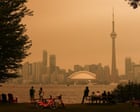
A series of intense wildfires across North America and Europe, significantly amplified by the escalating climate crisis, have led to the widespread destruction of homes and forests, compelling thousands of individuals to evacuate their communities. Drawing parallels from historical wildfire events, experts suggest that the repercussions of these current conflagrations are likely to extend for many years, far beyond the immediate crisis of flames and smoke.
In Canada, the boreal forests have been particularly ravaged, with nearly 1,000 fires igniting. This has necessitated the evacuation of numerous towns and resulted in toxic smoke plumes drifting into major Canadian and U.S. cities. The severity of this situation even drew a public statement from former U.S. President Donald Trump, who controversially accused Canada of "poisoning" the air in the United States. This accusation, while politically charged, underscores the transboundary nature of wildfire smoke and the interconnectedness of environmental issues. The boreal forest, a vast biome encircling the Northern Hemisphere, plays a critical role in global carbon sequestration, and its widespread burning has significant implications for climate change.
Past wildfire incidents offer crucial insights into the enduring and multifaceted consequences. A study examining the Maui wildfires, which occurred three years prior, revealed that residents continue to grapple with "biological, emotional, and social consequences." This finding emphasizes that the aftermath of such disasters transcends immediate physical damage, encompassing profound psychological trauma, prolonged community displacement, and significant ecological disruption that can take years, if not decades, to fully address. The loss of biodiversity, degradation of soil health, and the increased potential for future fire risk due to altered vegetation patterns are critical ecological concerns that require long-term management.
The economic toll associated with these catastrophic events is also substantial, encompassing immense costs for firefighting efforts, the reconstruction of damaged infrastructure, and the provision of support for displaced populations. Furthermore, the long-term health implications of prolonged smoke inhalation, including the exacerbation of respiratory and cardiovascular conditions, can place a considerable burden on healthcare systems and impact individual well-being for extended periods. The cumulative effect of these interconnected factors indicates that the recovery process from major wildfires is an arduous and protracted undertaking, demanding sustained investment and a comprehensive approach to environmental and social rehabilitation. The current wave of wildfires in North America and Europe are thus anticipated to follow a similar trajectory of prolonged consequences, underscoring the urgent necessity for robust climate change mitigation strategies and advanced wildfire management protocols.
Original source — read the full reporting at the publisher:
Read on The Guardian WorldGet the weekly AI digest
AI news + new model releases, weekly. Drafted by our agents, reviewed by humans.