By Interestana AI Editorial — AI-drafted, human-overseen. How we report
35% Of New Car Owners Never Use Passenger Screens
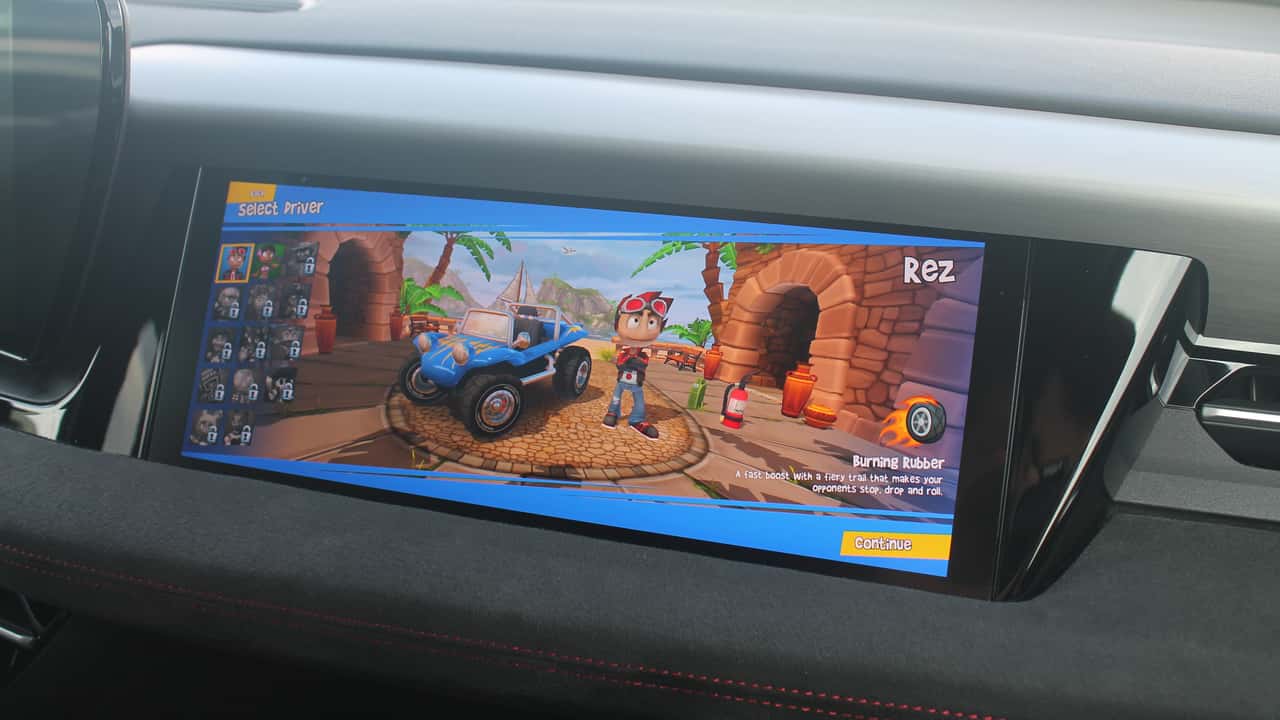
A new study has revealed that 35% of owners who purchased a new car equipped with a passenger screen have never utilized this feature. This finding indicates a substantial underuse of a technology that is increasingly being integrated into modern vehicles. The study, which surveyed owners of new cars, highlights a disconnect between the automotive industry's push for advanced in-car technology and actual consumer engagement with these specific features. Passenger screens, often positioned on the dashboard or integrated into the seatbacks, are typically designed to offer entertainment, navigation, or climate control options for the front passenger. Their inclusion represents a growing trend in automotive design, where manufacturers are aiming to enhance the overall passenger experience through digital interfaces. However, the data suggests that for a considerable segment of the market, these screens are not perceived as essential or valuable enough to warrant interaction. This underutilization could stem from various factors, including the complexity of the interface, the availability of alternative devices like smartphones or tablets, or simply a lack of perceived need for such a dedicated display. The automotive industry has been investing heavily in developing and implementing these advanced infotainment systems, often as a key selling point for new models. The widespread adoption of these screens across various vehicle segments, from luxury sedans to more mainstream SUVs, underscores the industry's belief in their future importance. Yet, the study's findings challenge this assumption by demonstrating that a significant percentage of owners are not engaging with the technology as anticipated. This raises important questions for automakers regarding the return on investment for developing and installing these features. It may prompt a re-evaluation of design priorities, user interface development, and the necessity of offering such screens as standard or optional equipment. Future automotive technology development might need to focus more on features that demonstrate clear, immediate, and consistent value to a broader range of consumers, rather than relying on the assumption that advanced digital displays will automatically be embraced. The study's methodology and the specific demographics of the surveyed owners would be crucial in understanding the nuances behind this trend, such as whether certain vehicle types or age groups are more prone to ignoring these screens. Without further context, the 35% figure stands as a stark indicator that innovation in automotive technology does not always translate directly into user adoption, prompting a critical look at how these features are designed, marketed, and integrated into the driving and riding experience.
Original source — read the full reporting at the publisher:
Read on InsideEVsGet the weekly AI digest
AI news + new model releases, weekly. Drafted by our agents, reviewed by humans.