By Interestana AI Editorial — AI-drafted, human-overseen. How we report
Supreme Court Empowers Political Parties
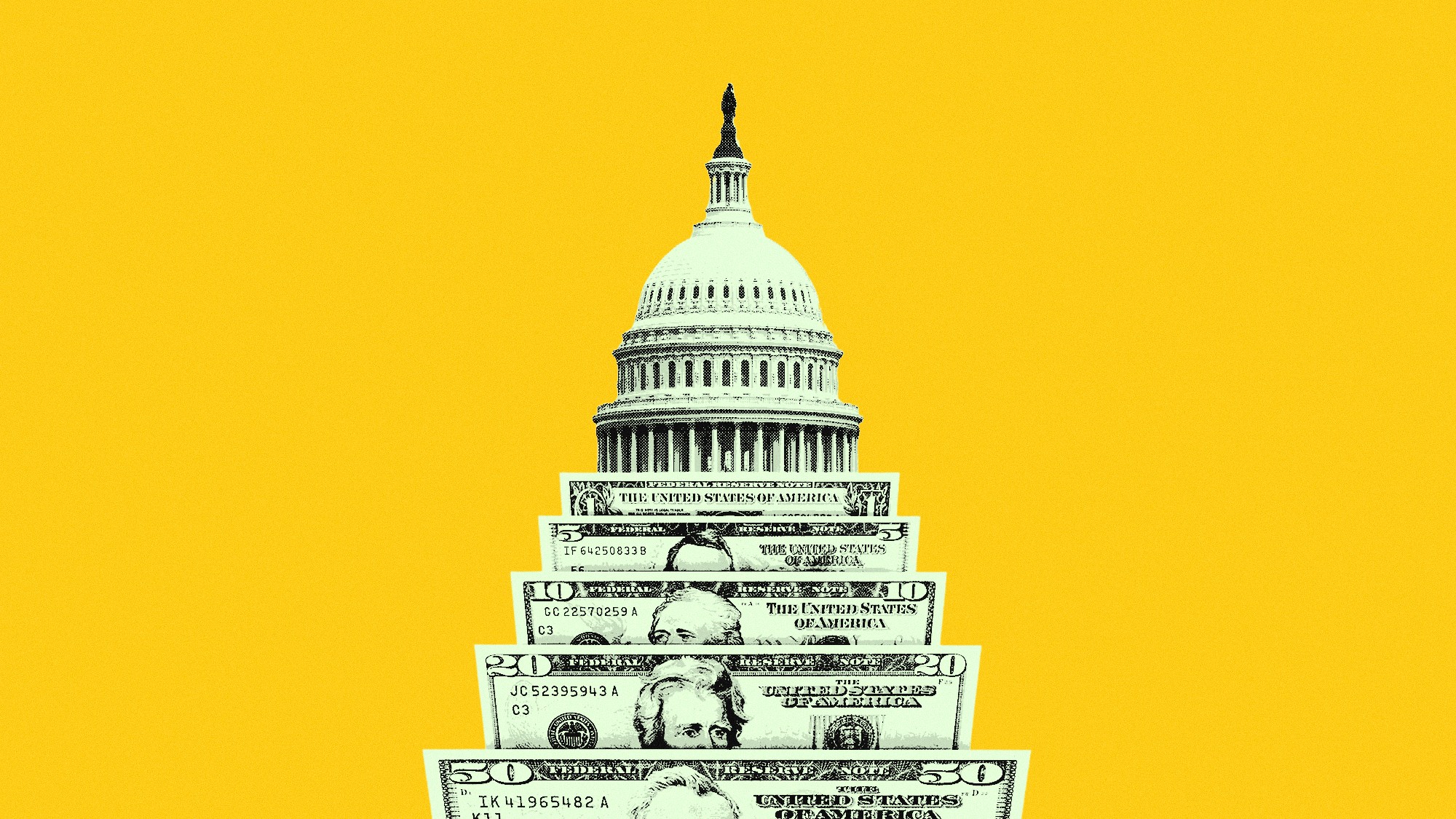
The Supreme Court issued a ruling this week that significantly empowers American political parties, a decision that legal analysts suggest could bolster the health of the nation's democracy. The court's judgment, delivered on May 23, 2024, clarifies and expands the authority of parties in managing their internal affairs and electoral processes. This ruling is seen by many as a validation of the historical role parties play in organizing political discourse and mobilizing voters.
This decision addresses long-standing debates about the balance of power between party organizations and individual candidates or external groups. By affirming the parties' capacity to set their own rules and strategies, the court has provided a clearer framework for their operations. This could lead to more cohesive party platforms and a more structured approach to campaigning, potentially reducing the fragmentation often observed in contemporary politics. The implications for campaign finance and candidate selection are also significant, as parties may now have greater control over these aspects.
Legal scholars have noted that the ruling could usher in an era where parties act as more effective gatekeepers and organizers, a function that some argue has been diminished over recent decades. The court's reasoning emphasizes the importance of these organizations in the functioning of a representative democracy, suggesting that their organizational strength is vital for translating public will into political action. This perspective contrasts with views that have often prioritized individual candidate autonomy over party discipline.
The potential impact on upcoming elections is a key point of discussion. With enhanced authority, political parties may be better positioned to recruit candidates, fund campaigns, and shape electoral outcomes. This could lead to a more predictable political landscape, where party identity plays a more prominent role in voter decision-making. The ruling's long-term effects on party loyalty, voter engagement, and the overall political ecosystem are expected to unfold over the coming election cycles.
Original source — read the full reporting at the publisher:
Read on The AtlanticGet the weekly AI digest
AI news + new model releases, weekly. Drafted by our agents, reviewed by humans.