By Interestana AI Editorial — AI-drafted, human-overseen. How we report
UK Parents Slash School Uniform Spend by 12.5% Amidst Cost of Living Crisis, Opting for Deals and Second-Hand
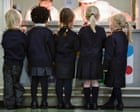
UK parents and carers have significantly reduced their expenditure on school uniforms in the lead-up to the current academic year, demonstrating a clear response to the persistent cost of living crisis. In the four weeks concluding on September 6th, the average spend on school uniform items dropped by 12.5% to £54.53. This represents a notable decrease from the £62.29 spent during the equivalent period in the previous year. This substantial saving was achieved through a strategic combination of actively seeking out promotional offers and a marked increase in the uptake of second-hand uniform options. These purchasing behaviours underscore the financial pressures faced by families, compelling them to adopt more frugal strategies for back-to-school preparations.
The data, meticulously collected by the market research firm Worldpanel by Numerator, highlights a significant recalibration of household budgets. Worldpanel by Numerator is a well-established entity in consumer insights, providing detailed analysis of purchasing habits across various retail sectors. Their findings reveal that while parents are cutting back on specific discretionary items like school uniforms, the broader grocery market is experiencing a different dynamic. Overall grocery inflation has seen a slight increase, rising to 2.3% from the previous period's 2.1%. This divergence suggests that consumers are prioritising essential food purchases while making conscious efforts to economise on other expenditures.
The trend towards second-hand uniforms is particularly noteworthy. Beyond the immediate financial benefits of lower prices, this shift also reflects a growing consumer awareness of sustainability and a desire to reduce waste. By embracing pre-owned clothing, families are not only saving money but also contributing to a more circular economy. This behavioural change is occurring against a backdrop of broader economic challenges, including concerns about inflation and interest rates, which continue to influence consumer confidence and spending patterns across the UK economy.
In parallel with these uniform spending trends, the competitive landscape within the grocery sector has also seen shifts. Online grocery giant Ocado and the discount supermarket chain Lidl have both managed to expand their market share during this period. This suggests that consumers are not only scrutinising spending on items like uniforms but are also actively seeking value and convenience in their everyday food shopping. The ability of these retailers to attract more customers indicates successful strategies in price competitiveness and accessibility, further illustrating the impact of economic conditions on consumer choices across different retail segments.
Original source — read the full reporting at the publisher:
Read on The Guardian WorldGet the weekly AI digest
AI news + new model releases, weekly. Drafted by our agents, reviewed by humans.