By Interestana AI Editorial — AI-drafted, human-overseen. How we report
Paramount Skydance, WBD Merger Clears Last Legal Hurdle
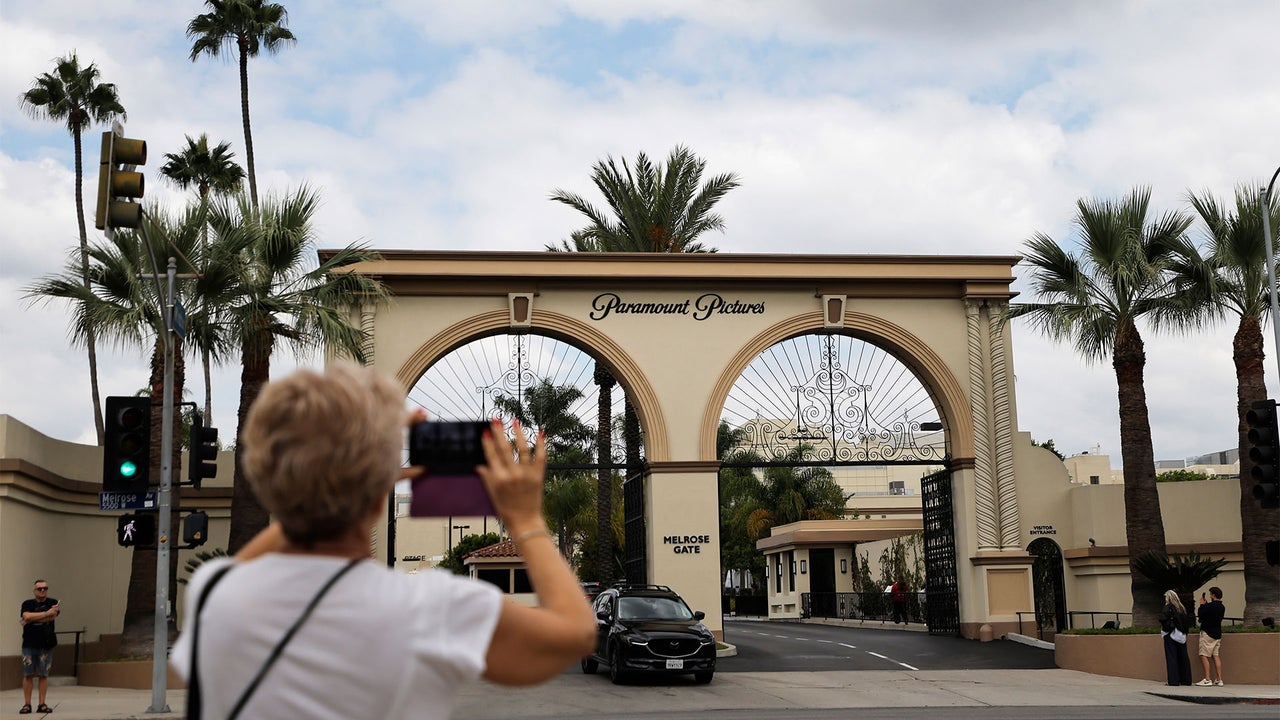
Shares of Paramount Global and Warner Bros. Discovery experienced a significant upward trend following the settlement of an antitrust lawsuit that had posed the final major obstacle to their proposed merger. The lawsuit, initiated by the attorneys general of 12 states, including California, sought to prevent the acquisition due to concerns over reduced film production, diminished competition, and increased corporate control over content, particularly on cable television. The settlement, announced yesterday by California Attorney General Rob Bonta, resolves these antitrust concerns and clears the path for the merger to be finalized by the end of the current month. Paramount Skydance is primarily controlled by tech magnate Larry Ellison and his son, David Ellison, who serves as CEO.
The terms of the settlement, as detailed by the California Department of Justice, include several key concessions from Paramount aimed at addressing the states' apprehensions. Specifically, the merged entity has committed to producing a minimum of 30 films annually for the initial two years post-merger. This production quota will increase to 32 films per year for the subsequent three years. Furthermore, Paramount has pledged to invest an additional $1.5 billion in U.S. film production over the next five years, exceeding its projected 2025 expenditure levels. A crucial aspect of the agreement also mandates that the merged company will negotiate the terms for Paramount's and Warner Bros.' basic cable channels independently of each other for a period of five years. These stipulations are designed to ensure continued content diversity and market competition.
The lawsuit's initial filing in July, reported by Fast Company, highlighted fears that the consolidation of these major Hollywood entities could lead to a contraction in the number of films released annually and concentrate power within a few large corporations. This concentration, the states argued, could limit the variety of content available to American audiences and influence editorial coverage, especially within the cable TV landscape. The legal challenge was spearheaded by California Attorney General Rob Bonta, who, along with the attorneys general of eleven other states, pursued the merger block on these grounds. The resolution of this legal dispute marks a pivotal moment, allowing the strategic integration of Paramount and Warner Bros. Discovery to proceed as planned.
This settlement signifies a critical step towards the completion of a transaction that will reshape the media and entertainment industry. The increased investment in U.S. film production and the commitment to maintaining independent negotiations for cable channels are intended to mitigate the potential negative impacts on the market and consumers. The successful navigation of this significant legal challenge underscores the complex regulatory environment surrounding large-scale mergers in the entertainment sector. The market's positive reaction, reflected in the share price increases for both Paramount and Warner Bros. Discovery, indicates investor confidence in the future prospects of the combined entity.
Original source — read the full reporting at the publisher:
Read on Fast CompanyGet the weekly AI digest
AI news + new model releases, weekly. Drafted by our agents, reviewed by humans.