By Interestana AI Editorial — AI-drafted, human-overseen. How we report
Paramount and WBD Rebrands Reflect Entertainment Industry Turmoil
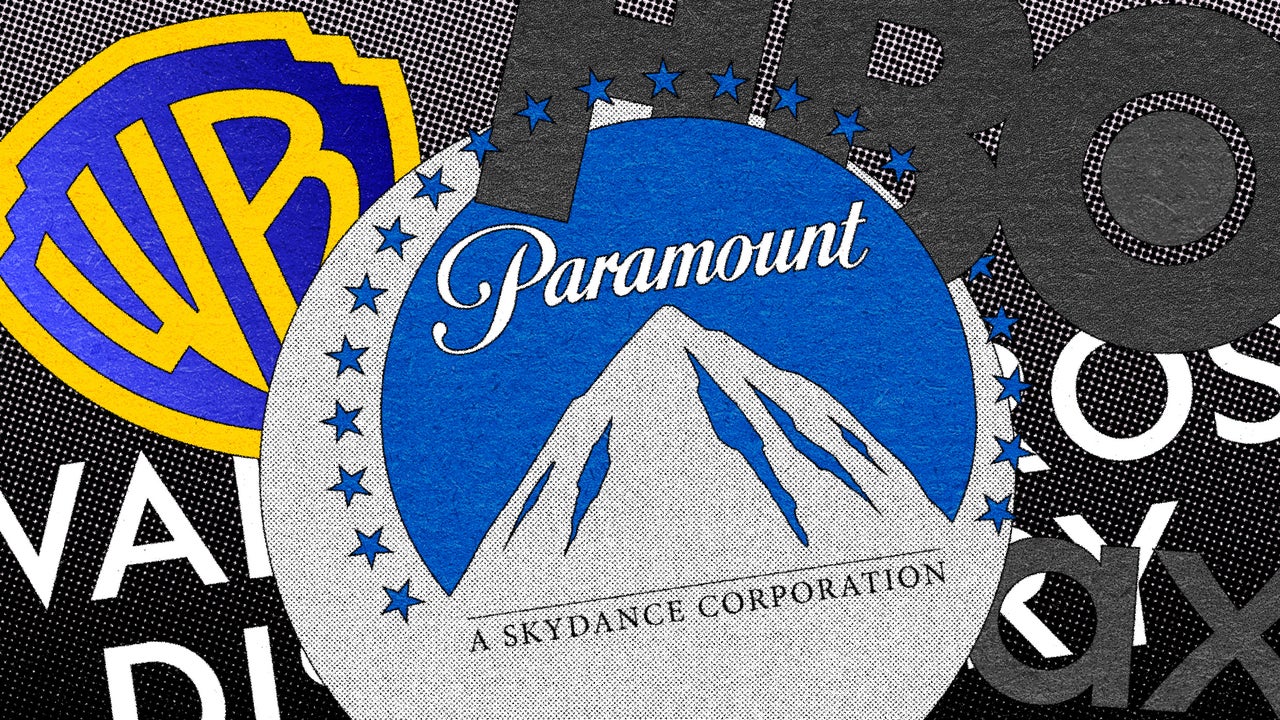
The impending merger of Paramount and Warner Bros. Discovery, orchestrated by CEO David Ellison, places control of significant entertainment brands under one entity, but the recent history of both companies' rebrandings serves as a visual indicator of a turbulent industry. These frequent brand evolutions, often combining heritage elements with contemporary design, underscore a broader narrative of declining revenues and industry consolidation. David Ellison, son of Oracle cofounder Larry Ellison, acquired Paramount in 2025 via his production company, Skydance Media. Skydance, which began producing films in 2006 with 'Flyboys' and later co-produced hits like 'Mission: Impossible–Ghost Protocol' (2011) and 'Top Gun: Maverick' (2022), has now become a major industry force through this acquisition, gaining control of assets including CBS News, MTV, and intellectual property such as 'SpongeBob SquarePants'.
The initial logo resulting from the Paramount/Skydance merger, released after the acquisition news last year, attempted to blend the iconic Paramount mountain and stars logo with Skydance's serif wordmark. This logo has since been revised, reintroducing a version of Paramount's script wordmark with "A Skydance Corporation" appended in all-caps serifs. Warner Bros. Discovery's branding has also experienced instability. In 2019, Pentagram, led by partner Emily Oberman, undertook a rebranding of Warner Bros. Discovery (then Warner Media). This involved refining and modernizing the classic Warner Bros. shield logo and introducing a new blue hue, marking the company's first significant refresh in decades. However, this rebranding's longevity has been limited, mirroring the broader instability within the sector. The constant flux in branding for these major entertainment players reflects the financial pressures and strategic realignments occurring across the industry, as companies seek to adapt to changing market conditions and consumer behaviors. The visual shifts in their logos and brand identities are not merely aesthetic changes but are deeply intertwined with the business strategies aimed at navigating a challenging economic landscape and consolidating market share. The industry's reliance on mergers, acquisitions, and frequent brand overhauls points to an ongoing search for stability and profitability in a rapidly evolving media environment.
Original source — read the full reporting at the publisher:
Read on Fast CompanyGet the weekly AI digest
AI news + new model releases, weekly. Drafted by our agents, reviewed by humans.