By Interestana AI Editorial — AI-drafted, human-overseen. How we report
Moscardón Bumblebee Named Invertebrate of the Year
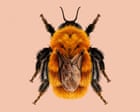
The moscardón bumblebee, scientifically known as Bombus dahlbomii, has been recognized as the Invertebrate of the Year, an honor that draws attention to this remarkable insect and its precarious conservation status. This giant ginger bumblebee, affectionately nicknamed the 'flying mouse' due to its size and appearance, is native to the Patagonian region of South America. Its selection for this annual designation underscores the vital ecological roles played by invertebrates, which are often overlooked despite their fundamental importance to ecosystems and human well-being. Bumblebees, in general, are celebrated for their social structures, industrious nature, and indispensable pollination services, which are critical for the reproduction of countless plant species, the success of agricultural crops, and the overall health of global food systems.
The moscardón bumblebee, in particular, is notable for its impressive size, distinguishing it from many other bumblebee species. Its ginger coloration and substantial stature have earned it the endearing moniker 'flying mouse,' a testament to its unique presence in its natural habitat. However, this magnificent insect is currently facing significant population declines. The primary driver of this reduction is the expansion of commercial farming in its native Patagonia. This agricultural development often leads to habitat loss and fragmentation, reducing the availability of the floral resources and nesting sites that Bombus dahlbomii relies upon for survival and reproduction. The loss of such a keystone pollinator could have cascading negative effects on the Patagonian ecosystem, impacting plant diversity and the stability of local food webs.
The designation of Invertebrate of the Year serves as a critical awareness campaign, aiming to foster greater appreciation and conservation efforts for invertebrate species. The organizers of this initiative seek to highlight the often-underestimated contributions of these creatures, from pollination and decomposition to nutrient cycling and pest control. By focusing on a species like the moscardón bumblebee, which is both visually striking and ecologically significant, the campaign hopes to galvanize public support and encourage targeted conservation strategies. The decline of Bombus dahlbomii serves as a stark reminder that even charismatic species are vulnerable to anthropogenic pressures, such as agricultural intensification and habitat alteration. The future of this 'panda of the insect world' hinges on concerted efforts to protect its remaining habitats and mitigate the threats posed by modern land-use practices in Patagonia.
Original source — read the full reporting at the publisher:
Read on The Guardian EnvironmentGet the weekly AI digest
AI news + new model releases, weekly. Drafted by our agents, reviewed by humans.