By Interestana AI Editorial — AI-drafted, human-overseen. How we report
Panama Canal Restricts Ship Traffic Due to El Niño Drought
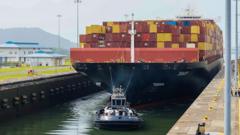
The Panama Canal Authority announced a significant reduction in the number of daily ship transits through the vital waterway, citing critically low water levels attributed to the El Niño weather pattern. This decision, effective September 2023, will limit daily transits to 28 vessels, a decrease from the usual average of 36. The reduction is a direct consequence of insufficient rainfall, which has depleted the Gatun Lake, the primary source of water for the canal's operation. El Niño, a climate phenomenon characterized by warmer-than-average sea surface temperatures in the central and eastern tropical Pacific Ocean, typically brings drier conditions to Central America. The Panama Canal relies on this freshwater to operate its lock system, which lifts and lowers ships between the Atlantic and Pacific Oceans. Each transit requires approximately 200 million liters (52 million gallons) of freshwater. The reduced number of transits is expected to cause delays and increase shipping costs for goods moving between Asia and the United States East Coast. The canal is a critical chokepoint for global trade, handling an estimated 5% of the world's maritime trade. Industries heavily reliant on this route, including the automotive, energy, and retail sectors, are bracing for potential disruptions. The Panama Canal Authority has stated that it will implement further restrictions if water levels continue to fall. The authority is monitoring the situation closely and is exploring mitigation strategies, though the long-term impact of El Niño on regional rainfall remains uncertain. This measure highlights the vulnerability of global supply chains to climate change and extreme weather events. The canal's operator has previously implemented water-saving measures, but the current drought conditions are described as unprecedented in recent history. The economic implications are substantial, as shippers may need to reroute vessels around Cape Horn or absorb increased costs associated with longer transit times and potential demurrage fees. The Panama Canal Authority's decision underscores the growing challenges faced by critical infrastructure in adapting to a changing climate. The authority has not provided a specific timeline for when normal transit levels might resume, indicating that the situation is dependent on future rainfall patterns. The reduction in ship traffic is a stark reminder of the interconnectedness of global commerce and environmental conditions. The canal's operation is essential for maintaining efficient and cost-effective movement of goods, and any disruption has ripple effects across numerous economies. The current situation is being closely watched by international shipping companies and governments alike, as the duration and severity of the El Niño-induced drought will determine the extent of the impact on global trade flows.
Original source — read the full reporting at the publisher:
Read on BBC World NewsGet the weekly AI digest
AI news + new model releases, weekly. Drafted by our agents, reviewed by humans.