By Interestana AI Editorial — AI-drafted, human-overseen. How we report
Panama Canal Fees Surge Amid War and Drought
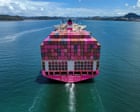
Commercial shipping through the Panama Canal is encountering substantial increases in transit fees and prolonged delays, a situation exacerbated by the ongoing conflict involving Iran and the severe drought conditions attributed to the intense El Niño weather system. These combined factors are placing significant strain on global supply chains, highlighting the vulnerability of critical maritime trade routes. The Panama Canal Authority has implemented measures to manage the reduced water levels, which are directly impacting the number of vessels that can transit the waterway daily. This reduction in capacity, coupled with increased demand from rerouted shipping due to geopolitical tensions, has driven up auction prices for transit slots to unprecedented levels.
One stark illustration of the escalating costs and competition for passage was reported when a container ship allegedly paid approximately $4 million to bypass a lengthy queue of vessels awaiting transit. This extraordinary payment underscores the critical importance of the canal as a global trade artery and the lengths to which shipping companies are willing to go to maintain delivery schedules. The canal relies on a system of locks that utilize vast amounts of freshwater, and the current low water levels, a direct consequence of the El Niño phenomenon, have necessitated restrictions on vessel size and the number of daily transits. This environmental challenge is compounded by the broader geopolitical landscape, where disruptions in other regions, such as those stemming from the Iran war, can lead to increased traffic and demand for alternative routes like the Panama Canal.
The El Niño weather pattern, known for its significant impact on global weather systems, has led to a prolonged dry spell in the region surrounding the Panama Canal. This has resulted in critically low water levels in Gatun Lake and Madden Lake, the primary freshwater reservoirs that supply the canal's lock system. Historically, the canal has been able to manage seasonal variations in rainfall, but the severity of the current El Niño event has created a more persistent and challenging drought. The Panama Canal Authority has been forced to implement draft restrictions, limiting the maximum depth of ships that can pass through, and has reduced the number of daily transits from an average of around 38 to as few as 32. These operational adjustments are designed to conserve water while attempting to maintain some level of service, but they inevitably lead to longer waiting times and increased operational costs for shipping companies.
The confluence of these factors—environmental drought and geopolitical instability—creates a complex operational and economic challenge for the Panama Canal. Shipping companies are now facing a dual threat of higher direct costs for canal transit and indirect costs associated with extended voyage times and potential disruptions to their supply chain schedules. The situation is being closely monitored by global trade organizations and governments, as any prolonged or severe disruption to the Panama Canal could have far-reaching economic consequences, including increased consumer prices for goods transported internationally. The canal's role as a vital link between the Atlantic and Pacific Oceans makes it indispensable for global commerce, and its current operational constraints serve as a potent reminder of the interconnectedness of environmental, geopolitical, and economic factors in international trade.
Original source — read the full reporting at the publisher:
Read on The Guardian WorldGet the weekly AI digest
AI news + new model releases, weekly. Drafted by our agents, reviewed by humans.