By Interestana AI Editorial — AI-drafted, human-overseen. How we report
Barclays Five Activists Not Terrorists, Judge Rules
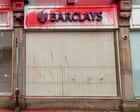
A judge has ruled that five Palestine Action activists, collectively known as the "Barclays five," will not be sentenced as terrorists. The group, comprising Brendon O’Hagan, 28; Amanda Kelly, 31; Hmeera Atiqnisar, 31; Mohammed Malik, 28; and Alma Yaniv, 70, were found guilty in June of causing criminal damage exceeding £200,000. Their conviction stems from an incident in August 2024 where they vandalised a Barclays Bank branch in Burnley, Lancashire. The activists broke windows and threw red paint at the financial institution. The ruling means the activists will face standard criminal sentencing for property damage rather than potentially harsher penalties associated with terrorism offenses. Palestine Action is a UK-based activist group that campaigns against Barclays Bank due to its alleged investments in companies involved in the arms trade and fossil fuels. The group has previously targeted Barclays branches and offices across the UK. The specific incident in Burnley involved significant damage to the bank's property, leading to the substantial financial figure cited in the conviction. The judge's decision to not classify the sentencing as terrorism-related highlights the legal distinction between acts of protest involving property damage and those that meet the threshold for terrorist offenses. This distinction can have significant implications for the severity of punishments and the legal frameworks applied. The activists' conviction in June followed a trial where the prosecution presented evidence of their involvement in the coordinated vandalism. The defense likely argued against the interpretation of their actions as politically motivated terrorism, focusing instead on the specific charges of criminal damage. The ruling by the judge underscores the importance of precise legal definitions in criminal proceedings, particularly when dealing with politically charged activism. The case has drawn attention to the tactics employed by groups like Palestine Action and the legal responses from authorities. The financial institution targeted, Barclays, is a major British multinational bank with extensive operations globally. The group's campaign against Barclays is part of a broader movement by environmental and anti-war activists to pressure financial institutions to divest from certain industries. The £200,000 figure represents the estimated cost of repairs and the value of the damage caused to the Burnley branch. The sentencing date for the "Barclays five" has not yet been set, but it will proceed under standard criminal law provisions. The outcome of this sentencing will be closely watched by activist groups and legal observers alike, as it sets a precedent for how similar acts of protest involving property damage are treated within the UK legal system. The judge's decision emphasizes that while the damage was substantial and the motivation political, the actions did not meet the legal definition of terrorism for sentencing purposes.
Original source — read the full reporting at the publisher:
Read on The Guardian WorldGet the weekly AI digest
AI news + new model releases, weekly. Drafted by our agents, reviewed by humans.