By Interestana AI Editorial — AI-drafted, human-overseen. How we report
Palestine Action Activists Face Terrorist Sentencing Over Bank Damage
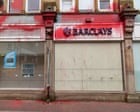
Five Palestine Action activists are facing potential sentencing as terrorists following their conviction for causing significant damage to a Barclays Bank branch in Burnley, Lancashire. The group, consisting of Brendon O’Hagan, 28; Amanda Kelly, 31; Humeera Atiqnisar, 31; Mohammed Malik, 28; and Alma Yaniv, 70, were found guilty of a protest action that resulted in £212,000 worth of damage. The incident occurred in August 2024, with the activists specifically targeting the bank due to its financial holdings in Elbit Systems, an Israeli weapons firm. This targeting reflects a broader campaign by Palestine Action against institutions perceived to be supporting Israel's military actions. The judge presiding over the case has indicated an intention to consider the 'terrorist connection' when determining the sentences for the convicted individuals. This approach suggests a potential reclassification of the offense beyond simple criminal damage, aligning it with anti-terrorism legislation. The activists' conviction and the judge's consideration of terrorist sentencing highlight the escalating legal ramifications for individuals involved in direct action protests related to geopolitical conflicts. Palestine Action has been vocal in its opposition to what it describes as complicity by financial institutions in the arms trade and the ongoing conflict in Palestine. The group's modus operandi typically involves disruptive actions aimed at drawing public attention to their cause and pressuring corporations to divest from companies involved in arms manufacturing or sales to Israel. The specific damage to the Barclays branch involved breaking windows and the application of red paint, symbolic gestures intended to convey a message of alarm and condemnation. The substantial financial figure of £212,000 represents the estimated cost of repairs and the disruption caused to the bank's operations. The legal proceedings against these activists are being closely watched, as the outcome could set a precedent for how similar protest actions are treated under the law. The judge's decision to explore the 'terrorist connection' implies a thorough examination of the activists' motives, the nature of their organization, and the potential impact of their actions on public safety and national security, as defined within the scope of anti-terrorism statutes. This development underscores the complex interplay between political activism, corporate responsibility, and the legal frameworks designed to maintain public order and counter perceived threats.
Original source — read the full reporting at the publisher:
Read on The Guardian WorldGet the weekly AI digest
AI news + new model releases, weekly. Drafted by our agents, reviewed by humans.