By Interestana AI Editorial — AI-drafted, human-overseen. How we report
Adirondack Park Offers Diverse Camping Experiences
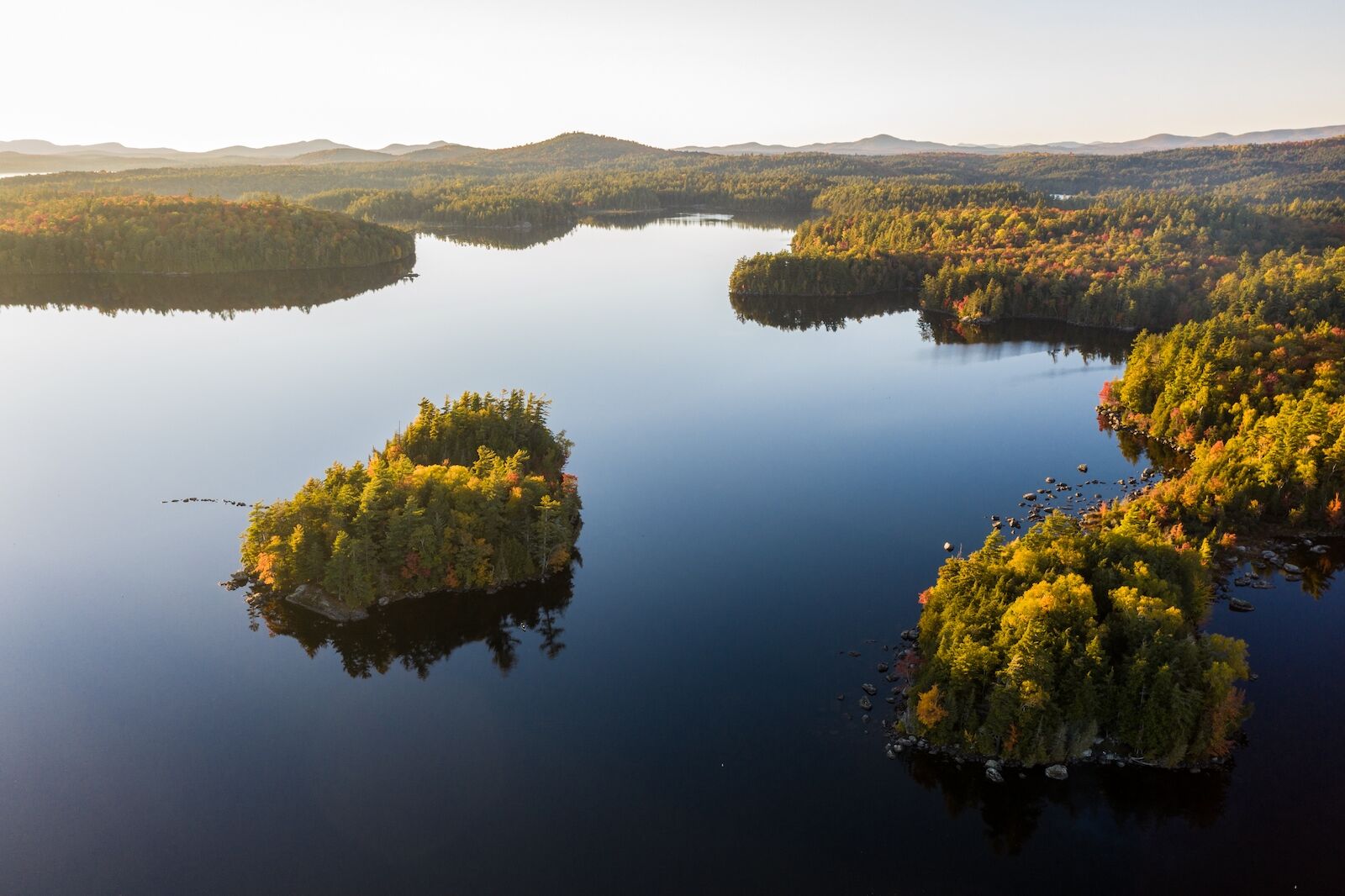
New York's Adirondack Park, designated "Forever Wild," stands as the largest publicly protected area within the contiguous United States, encompassing over 6 million acres, including 1 million acres of designated wilderness. This vast expanse is characterized by a rich tapestry of forests, extensive wetlands, winding rivers, and prominent high peaks. Established in 1892, the park's geography includes more than 300 lakes and ponds, intricately connected by nearly 6,000 miles of rivers and streams. For terrestrial exploration, over 2,000 miles of hiking trails traverse the protected land, leading to 46 summits exceeding 3,800 feet, collectively known as the park's High Peaks. Beyond its wild landscapes, the Adirondacks possess a deep human history. Indigenous peoples, including the Mahicans and Mohawks of the Iroquois Confederacy, explored the region following the last ice age, with human presence continuing for centuries. By the early 20th century, the area became a favored retreat for America's affluent families, such as the Carnegies, Rockefellers, and Vanderbilts, who erected elaborate estates known as "Great Camps." Many of these historic structures remain today, contributing to the park's current character as a blend of public and private land, interspersed with over 100 historic towns and hamlets. The unique combination of roadless wilderness, towering mountains, and expansive waterways, punctuated by occasional settlements, creates a multitude of distinctive camping opportunities. These range from island sites and remote backcountry locations to campgrounds situated along the shores of the park's serene lakes, catering to a wide spectrum of outdoor enthusiasts, including traditional car campers. The New York State Department of Environmental Conservation (DEC) manages camping facilities within the park, employing a fee structure based on a base rate plus amenities. A notable policy is that non-New York State residents incur an additional charge of $5 per night at all DEC-managed facilities. Camping fees are subject to seasonal variations, and visitors are advised to verify current rates before making reservations. The park's diverse offerings ensure that campers can find suitable locations whether they prefer primitive backcountry experiences or more developed campgrounds with amenities, all while immersing themselves in the natural beauty and historical significance of this protected region.
Original source — read the full reporting at the publisher:
Read on Matador NetworkGet the weekly AI digest
AI news + new model releases, weekly. Drafted by our agents, reviewed by humans.