By Interestana AI Editorial — AI-drafted, human-overseen. How we report
GLP-1 Drugs Linked to Increased Hair Loss Risk
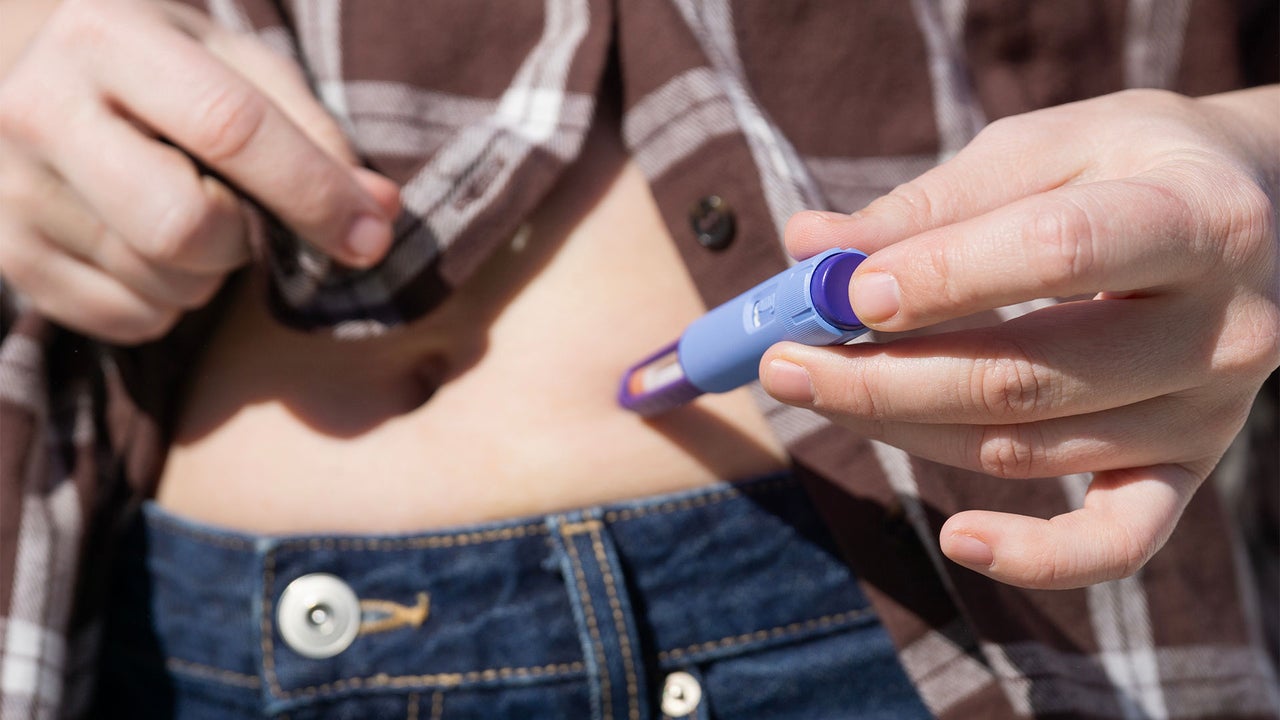
A recent study published this week in The BMJ has identified a correlation between the use of GLP-1 drugs, such as Ozempic, Wegovy, and Zepbound, and an increased likelihood of hair loss. Researchers at the University of Pennsylvania analyzed data from 12,000 patients with Type 2 diabetes who were prescribed GLP-1s between 2019 and 2024. The study compared these patients to a similar group using other diabetes treatment options.
This research builds upon a previous development in 2023, when the U.S. Food and Drug Administration (FDA) mandated that GLP-1 medications include alopecia as a potential adverse effect on their labels. However, the current study provides more specific data on the magnitude of this risk. The researchers noted that while hair loss may not cause physical harm, it can have significant psychosocial impacts, affecting self-esteem, quality of life, and treatment adherence.
The findings indicate that individuals taking GLP-1s were substantially more prone to developing alopecia compared to those on alternative diabetes medications. Specifically, GLP-1 users were 37% more likely to develop hair loss than patients treated with SGLT-2 inhibitors. Furthermore, the risk was even higher when compared to patients on DPP-4 inhibitors, with GLP-1 users being 68% more likely to experience hair loss. These increased probabilities were observed within an average timeframe of two to three years after initiating GLP-1 treatment.
Original source — read the full reporting at the publisher:
Read on Fast CompanyGet the weekly AI digest
AI news + new model releases, weekly. Drafted by our agents, reviewed by humans.