By Interestana AI Editorial — AI-drafted, human-overseen. How we report
Zelenskyy Alleges Russia Deployed North Korean Missiles in Ukraine Strikes; Spain Addresses Ceuta Border Complexities
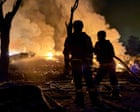
Ukrainian President Volodymyr Zelenskyy asserted on August 11, 2026, that Russia had employed North Korean missiles in its recent aerial assaults on Ukraine. This significant claim, if substantiated, carries profound geopolitical ramifications. The use of weaponry originating from North Korea, a state subject to extensive international sanctions due to its nuclear and ballistic missile programs, would imply a violation of UN Security Council resolutions and potentially signal an deepening military alliance between Moscow and Pyongyang. Such a development could further isolate Russia on the international stage and invite intensified scrutiny and potential countermeasures from global powers. North Korea, under leader Kim Jong Un, has historically sought to bolster its military capabilities and has faced international condemnation for its weapons development. Russia, facing protracted conflict in Ukraine since its full-scale invasion in February 2022, has been subject to widespread sanctions from Western nations and their allies. The alleged procurement of arms from North Korea could indicate Russia's efforts to circumvent these sanctions and secure necessary military supplies for its ongoing campaign.
These allegations emerged as Russian forces continued their offensive operations across Ukraine. On the same day, officials reported that Russian attacks on the southeastern Ukrainian city of Zaporizhzhia resulted in a tragic toll of at least six fatalities and approximately 20 injuries. Zaporizhzhia, a vital industrial hub and a city of strategic importance, has been a recurrent target for Russian shelling and missile strikes throughout the conflict. Its proximity to the Zaporizhzhia Nuclear Power Plant, the largest in Europe, has been a persistent source of international concern regarding nuclear safety and security.
In a separate but concurrent development, Spanish Foreign Minister José Manuel Albares visited the Spanish autonomous city of Ceuta on August 11, 2026. Ceuta, an enclave situated on the northern coast of Africa bordering Morocco, presents Spain with unique and complex border management challenges. Albares emphasized that Madrid was effectively managing the situation and was engaged in direct dialogue with Moroccan authorities. This diplomatic engagement aims to prevent the recurrence of border crises, such as the one experienced in May 2021 when thousands of migrants entered Ceuta from Morocco. Spain's efforts in Ceuta underscore the broader challenges of migration, security, and bilateral relations in the Mediterranean region.
Original source — read the full reporting at the publisher:
Read on The Guardian WorldGet the weekly AI digest
AI news + new model releases, weekly. Drafted by our agents, reviewed by humans.