By Interestana AI Editorial — AI-drafted, human-overseen. How we report
12.5 Trillion Tons of Polar Ice Melted Since 1979
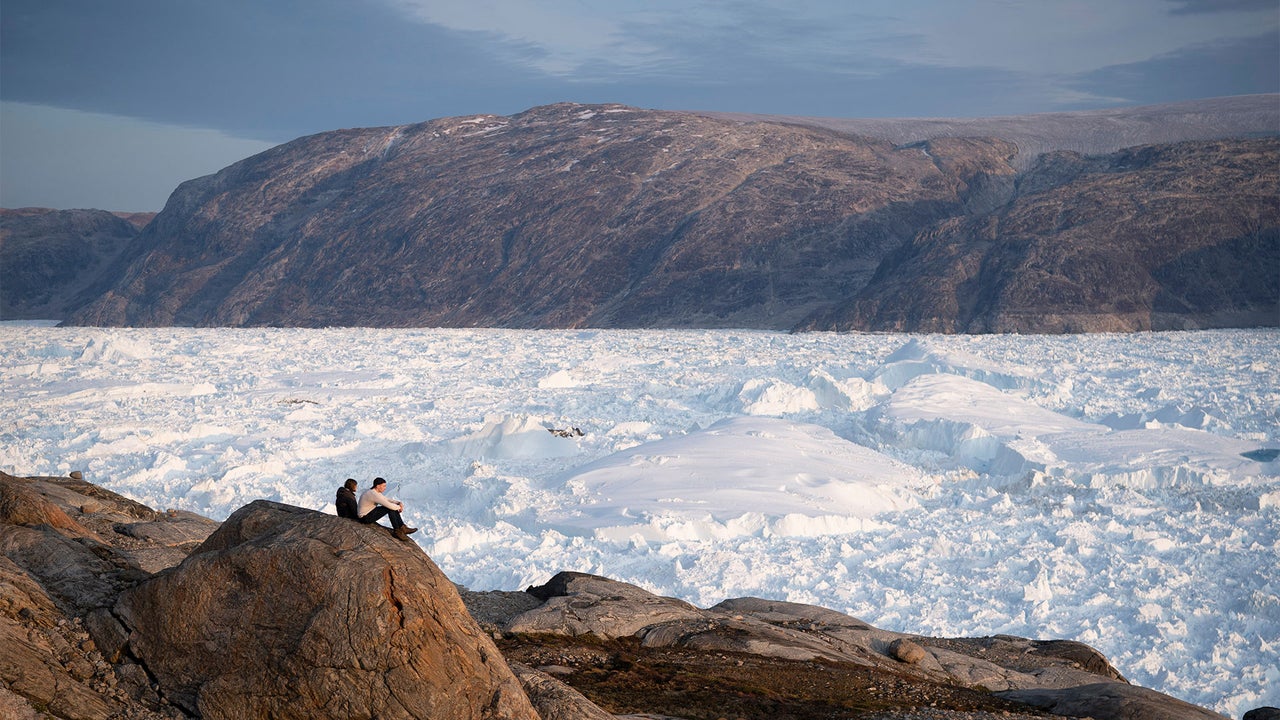
Approximately 12.5 trillion tons of ice have melted from glaciers in Greenland and Antarctica since 1979, a volume sufficient to cover the continental United States in 5 feet of water. This extensive ice loss, equivalent to 11.3 trillion metric tons, is accelerating due to a warming Earth, with warmer ocean waters being the primary driver of melt, accounting for five-sixths of the total. These findings are detailed in a study published in the journal Scientific Data. The consequences of this accelerated melting are significant for future sea-level rise, potentially exacerbating the vulnerability of coastal regions worldwide.
The sheer scale of the melt is immense, transforming into nearly 3 quadrillion gallons of water (11.3 quadrillion liters). This influx of water has directly contributed to a global sea-level rise of approximately 1 inch (3.1 centimeters) since 1979, in addition to other climate-related factors affecting ocean heights. While an inch of sea-level rise may seem minor, researchers indicate that for every third of an inch (or centimeter) of rise, an additional 2 to 3 million people face annual flooding events. The Jakobshavn glacier in Greenland, a significant contributor to ice loss, is currently retreating at a rate of up to 164 feet (50 meters) per day, according to study co-author Ines Otosaka, an ice scientist at Northumbria University in England. The study highlights that this rate of melting is not uniform and is particularly concerning for glaciers flowing directly into the oceans.
This comprehensive report was compiled by an international collaboration of polar scientists, led by the European Space Agency. Previous analyses of ice sheet melt primarily relied on European satellite data and typically focused on the period since the 1990s. However, by integrating data from NASA satellites, the research team was able to extend the charting of ice sheet volumes in Antarctica back to 1979 and in Greenland back to 1972. This extended historical data allowed for a more accurate assessment of the long-term trends and acceleration of ice melt. The study's co-author, Eric Rignot, an ice scientist at the University of California, Irvine, emphasized the urgency of the situation, stating, "The ice sheets are melting away fast. We are melting the polar regions, sea level is rising worldwide and will exacerbate the vulnerability of coastal regions."
The findings underscore the critical impact of climate change on Earth's polar ice sheets. The accelerated melting is not solely attributable to rising air temperatures but is significantly influenced by the warming of ocean waters that erode ice from below and along the sides of glaciers. This process, known as basal melt, is a key factor in the increased rate of ice discharge into the oceans. The study's detailed analysis, spanning several decades and utilizing advanced satellite technology, provides robust evidence of the escalating ice loss and its direct correlation with rising global temperatures. The implications for global coastlines and populations living in low-lying areas are profound, necessitating urgent attention to climate mitigation efforts.
Original source — read the full reporting at the publisher:
Read on Fast CompanyGet the weekly AI digest
AI news + new model releases, weekly. Drafted by our agents, reviewed by humans.