By Interestana AI Editorial — AI-drafted, human-overseen. How we report
Oystercatcher Bird Population Recovers With $10M Effort
The American Oystercatcher bird population has seen a significant recovery, with numbers increasing by 45% along the Atlantic and Gulf coasts between 2008 and 2023. This comeback is attributed to a nationwide conservation effort that spanned a decade and involved approximately $10 million in funding. Thirty-five coastal organizations across 16 states collaborated on this initiative, which focused on educating the public and protecting nesting sites.
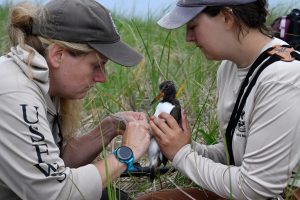
Biologists from organizations like Manomet Conservation Sciences and the U.S. Fish and Wildlife Service have been actively involved in monitoring and banding oystercatchers, as observed at Trustom Pond National Wildlife Refuge in Rhode Island. These efforts include tracking chicks, taking body measurements, and attaching bands to their legs to monitor their progress and movements. The birds, known for their distinctive orange bills and piercing calls, were once nearly extinct in New England due to hunting and egg collection by the early 20th century.
The conservation strategy emphasized raising awareness among beachgoers about the presence of these ground-nesting birds. Protective measures were also implemented to safeguard their nesting areas, which are typically found on beaches, sand dunes, salt marshes, and tide wrack deposits, from disturbances by predators and pets. This multi-faceted approach has proven effective in reversing the decline of the species.
The recovery of the American Oystercatcher is particularly noteworthy given a 2023 study that highlighted a general decline in most shorebird populations across North America. This success story serves as a testament to the impact of coordinated conservation efforts and public engagement in restoring vulnerable wildlife populations.
Original source — read the full reporting at the publisher:
Read on FortuneGet the weekly AI digest
AI news + new model releases, weekly. Drafted by our agents, reviewed by humans.