By Interestana AI Editorial — AI-drafted, human-overseen. How we report
Trinidad and Tobago Police Bill Sparks Press Freedom Concerns
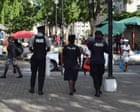
Journalists in Trinidad and Tobago are calling for urgent amendments to the recently passed Special Operations Bill 2026, asserting that the legislation's expanded police search and seizure powers pose a significant threat to the nation's press freedom. The bill, which received parliamentary approval on September 24, 2026, is presented by the government as a necessary measure to combat escalating crime and murder rates within the Caribbean nation. However, media professionals and advocacy groups have voiced strong objections, arguing that the broad scope of the bill could be misused to stifle investigative journalism and access to information.
The Special Operations Bill 2026 grants law enforcement agencies enhanced authority to conduct searches and seize materials, including electronic devices and documents, without requiring prior judicial warrants in certain circumstances. Critics contend that this provision could enable authorities to target journalists and news organizations, potentially leading to the confiscation of sensitive sources, unpublished stories, and confidential data. This, they argue, would create a chilling effect on reporting, particularly on matters of public interest and potential government misconduct. The Trinidad and Tobago Publishers and Broadcasters Association has been a vocal critic, highlighting the potential for abuse and the erosion of democratic principles.
In response to the outcry, the government has stated that the bill includes safeguards to prevent misuse and that its primary objective is to provide law enforcement with the necessary tools to address serious criminal activity, which has seen a marked increase in recent years. Official crime statistics for Trinidad and Tobago indicate a concerning rise in homicides and violent offenses, prompting calls for decisive government action. The administration maintains that the legislation is carefully crafted to balance security needs with fundamental rights, including freedom of expression and the press. However, the specific wording of the bill and the lack of detailed oversight mechanisms have fueled skepticism among journalists and civil liberties advocates.
International press freedom organizations have also begun to monitor the situation closely, with some issuing statements expressing concern over the potential implications of the Special Operations Bill 2026 for media independence in Trinidad and Tobago. The debate underscores a global tension between national security imperatives and the protection of democratic freedoms, particularly the role of a free press in holding power accountable. The outcome of the calls for amendment will be closely watched, as it could set a precedent for how similar legislation is enacted and interpreted in the region. The bill's passage marks a critical juncture for press freedom in the nation, with ongoing discussions aimed at finding a resolution that addresses both security concerns and the fundamental right to a free and unfettered press.
Original source — read the full reporting at the publisher:
Read on The Guardian WorldGet the weekly AI digest
AI news + new model releases, weekly. Drafted by our agents, reviewed by humans.