By Interestana AI Editorial — AI-drafted, human-overseen. How we report
Documentary "Out of Sight" Exposes Swiss Asylum Seeker Camp
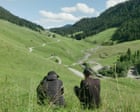
Lisa Polster's documentary "Out of Sight" provides a stark look at the Bürglkopf mountain facility on the Swiss-Austrian border, which functions as a deportation camp for asylum seekers. The film, described as impactful and gentle, highlights the experiences of young men held for months or even years in conditions they liken to a prison rather than a shelter. Polster's work reveals the secrecy surrounding the camp, with initial shots framing the facility through a car window, suggesting its hidden nature.
Through interviews with current residents, "Out of Sight" details the significant challenges faced by asylum seekers. These include poor living conditions, limited access to legal support, and the profound psychological distress caused by prolonged legal limbo due to extensive delays in application processing. The remote location of the camp further impedes any possibility of social integration. One particularly poignant scene depicts a detainee expressing envy towards grazing cattle, symbolizing a longing for freedom of movement.
The documentary also points to the restrictive environment within the camp, characterized by strict curfew hours and a scarcity of recreational activities. This combination of factors contributes to a sense of endless waiting and stagnation for those detained. Despite the center's resistance to the documentary project, Polster's film successfully weaves a sobering narrative of the asylum seekers' plight, offering a critical perspective on the treatment of vulnerable individuals on the fringes of a picturesque Alpine landscape.
Original source — read the full reporting at the publisher:
Read on The Guardian CultureGet the weekly AI digest
AI news + new model releases, weekly. Drafted by our agents, reviewed by humans.