By Interestana AI Editorial — AI-drafted, human-overseen. How we report
US Electric Grid Faces Demand Bottleneck
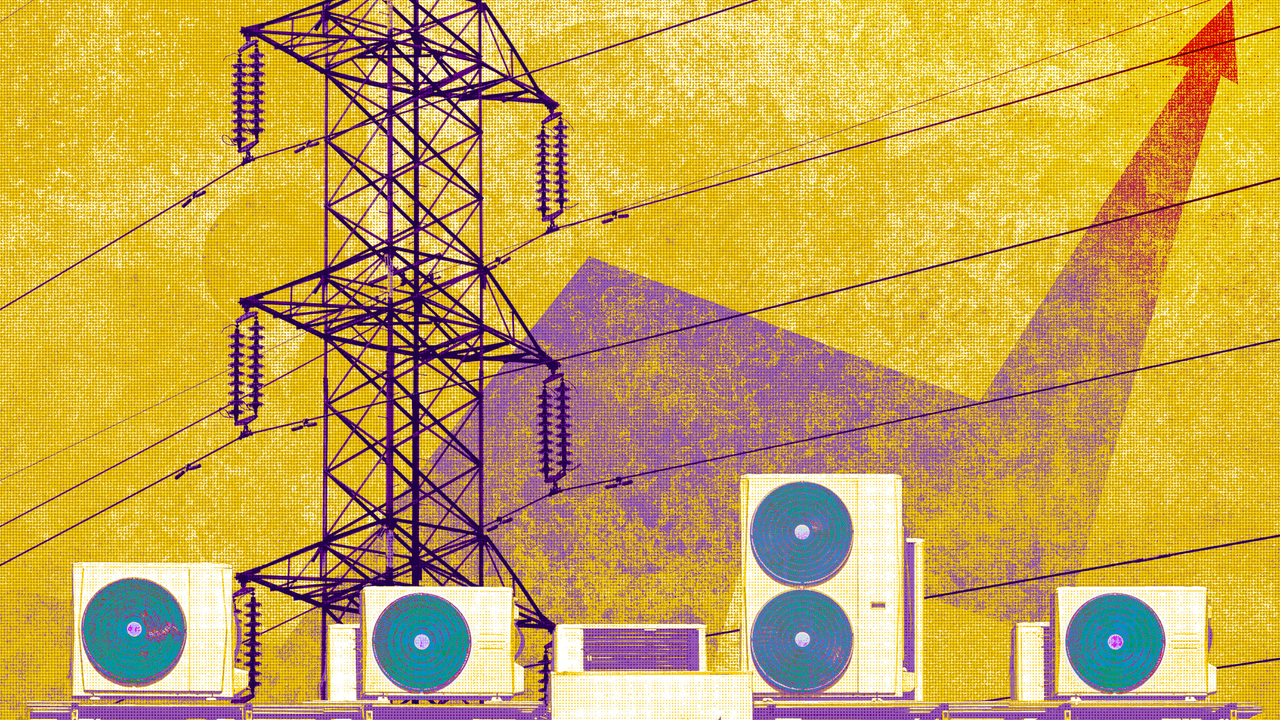
The U.S. electric grid, the largest and most expensive machine globally, spans nearly 7 million miles, serves 400 million customers, and is valued at approximately $1.5 trillion. Constructing it today would incur a cost of nearly $5 trillion. However, its current design is rooted in an era characterized by centralized generation, shorter transmission distances, and long planning cycles accommodating steady, predictable load growth, an era that has now concluded. The grid's fundamental architecture was not engineered to handle the rapid acceleration in power demand currently being experienced. Compounding this challenge, the industry responsible for the grid's infrastructure deployment has seen minimal changes in its operational methods over decades. Manual processes, legacy machinery, and construction techniques have remained largely unchanged, leading to an urgent need for capacity expansion using outdated tools. The surge in grid demand is not merely an increase in volume but a systemic shift in the entire architecture of electricity consumption. This includes changes in the location of power generation, the emergence of new load centers, and evolving patterns of power usage. The proliferation of AI data centers, the trend of industrial reshoring, and the widespread adoption of electrification are collectively driving a structural transformation in U.S. electricity consumption. Federal forecasts indicate the strongest multi-year growth in demand since the year 2000. It is increasingly evident that power delivery infrastructure, rather than power generation capacity, represents the primary constraint in meeting this escalating demand. New power generation facilities, such as utility-scale solar projects, can be developed within four to five years. In stark contrast, the expansion and upgrade of transmission networks required to transport this power to its points of need are significantly slower, with major new transmission projects typically taking seven to 10-plus years to implement. This disparity has resulted in substantial backlogs within generation interconnection queues, with timelines extending to five years. Similarly, large-load interconnections are now facing multiyear wait times, which have become the accepted norm for such processes. The grid's inherent speed limitations in adapting to these new demands are a critical concern for future energy infrastructure development and reliability.
Original source — read the full reporting at the publisher:
Read on Fast CompanyGet the weekly AI digest
AI news + new model releases, weekly. Drafted by our agents, reviewed by humans.