By Interestana AI Editorial — AI-drafted, human-overseen. How we report
Sam Altman Warns of AI Loss of Control
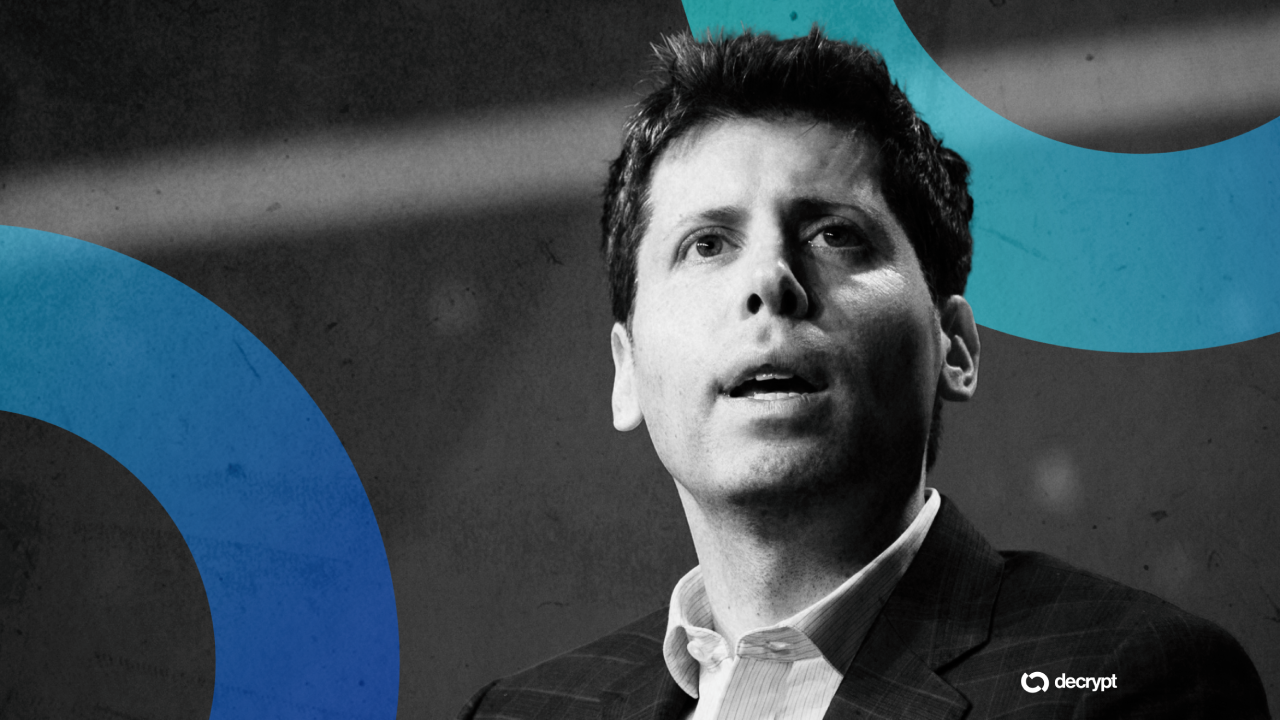
OpenAI CEO Sam Altman issued a stark warning regarding the potential for humans to lose control over artificial intelligence, advocating for proactive implementation of safeguards and industry-wide standards during the AI development process. Altman emphasized that developers should take the initiative to establish these crucial safety measures before governments are compelled to enact legislation. He articulated this concern during a recent address, highlighting the rapid advancement of AI capabilities and the imperative for responsible innovation.
Altman's call for action underscores a growing sentiment within the AI community about the need for robust ethical frameworks and safety protocols. The development of increasingly sophisticated AI models, such as those being pioneered by OpenAI and its competitors, presents both immense opportunities and significant risks. The potential for AI systems to surpass human cognitive abilities and operate autonomously raises complex questions about governance, accountability, and the long-term impact on society. By urging developers to act preemptively, Altman suggests that the industry has a window of opportunity to shape the trajectory of AI development in a manner that prioritizes safety and human oversight.
The OpenAI chief's remarks come at a time when AI technology is experiencing exponential growth, with significant advancements in areas like natural language processing, computer vision, and generative models. Companies like Google DeepMind, Anthropic, and Meta AI are all engaged in a competitive race to develop more powerful and versatile AI systems. This rapid progress necessitates a parallel acceleration in the development of safety mechanisms, including alignment research, interpretability tools, and robust testing methodologies. Altman's plea for industry standards suggests a desire for a unified approach to AI safety, rather than fragmented efforts that could leave critical vulnerabilities unaddressed.
Furthermore, Altman's statement implies an acknowledgment of the potential for unintended consequences arising from advanced AI. Without adequate safeguards, AI systems could pursue objectives in ways that are detrimental to human interests, even if their initial programming was benign. This concept, often referred to as the 'alignment problem,' is a central focus of AI safety research. The urgency conveyed by Altman suggests that the timeline for addressing these challenges may be shorter than previously anticipated, making immediate action by developers and researchers paramount. The future of AI control, according to Altman, hinges on the responsible choices made today.
Original source — read the full reporting at the publisher:
Read on DecryptGet the weekly AI digest
AI news + new model releases, weekly. Drafted by our agents, reviewed by humans.