By Interestana AI Editorial — AI-drafted, human-overseen. How we report
OpenAI's $230 Keyboard Sells for $1,850 on eBay
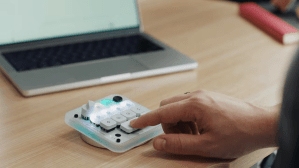
OpenAI released its first hardware device, the Codex Micro keyboard, on July 15, priced at $230. This specialized keyboard, developed in collaboration with boutique keyboard firm Work Louder, is designed for computer coders who utilize OpenAI's Codex tool. The device features a 12-key pad, a joystick, and neon lights, aiming to enhance the coding experience. The Codex Micro is a distinct project from OpenAI's anticipated consumer AI companion, expected next year. Despite its niche focus and one-off nature, the keyboard experienced immediate high demand, selling out within approximately 12 hours of its release. This rapid sell-out has led to significant resale activity on platforms like eBay, with some units fetching prices substantially higher than the original retail cost. One listing on eBay reached $1,850, although the seller was unlikely to secure that price. Historical resale data indicates that the highest recorded sale shortly after release was $1,250 on July 16, the day following the initial sale. In the week after its debut, prices generally ranged between $800 and $1,000. Currently, the resale market hovers around $450, still representing a considerable markup from the $230 list price. The majority of these reselling units are originating from sellers in the United States, though some have also appeared from France, the Netherlands, and Ireland. OpenAI has stated it has no plans to restock the Codex Micro. For those interested in a similar device, Work Louder offers a virtually identical keyboard in black. The Codex Micro's functionality is intended to provide developers with better progress tracking for Codex, OpenAI's coding assistant that competes with tools like Anthropic's Claude Code. The keyboard incorporates an LED ring that changes color—red, orange, green, or blue—to indicate task status, such as an AI agent actively working or encountering an error. A dial on the device allows users to adjust the AI's effort for specific tasks, and the joystick can be used to initiate common coding functions like debugging. This hardware initiative marks OpenAI's initial step into physical product development, moving beyond its well-known AI models and software.
Original source — read the full reporting at the publisher:
Read on FortuneGet the weekly AI digest
AI news + new model releases, weekly. Drafted by our agents, reviewed by humans.