By Interestana AI Editorial — AI-drafted, human-overseen. How we report
OpenAI CEO Delays IPO Amid AI Safety Concerns
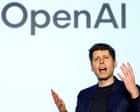
OpenAI will not proceed with an initial public offering (IPO) in 2026, according to CEO Sam Altman. Altman stated in a Fortune interview published on Saturday that the current environment, marked by rapid advancements in artificial intelligence (AI) and growing safety concerns, makes this an "ill-advised moment" to go public. He emphasized that the company does not feel pressured to pursue an IPO and prioritizes addressing the safety implications of increasingly powerful AI technologies. This decision comes amidst heightened awareness and discussion surrounding the potential risks associated with advanced AI, including calls from lawmakers for new regulatory frameworks to govern its development and deployment. Altman's remarks suggest a strategic pause to allow for more robust safety measures and a clearer understanding of AI's societal impact before engaging with public markets. The company's focus remains on responsible AI development, a stance that appears to be influencing its long-term financial strategy. The artificial intelligence sector has seen unprecedented growth and investment, leading to both excitement about its potential benefits and apprehension about its unforeseen consequences. OpenAI, as a leading research organization in this field, is at the forefront of these discussions, and its leadership's decision reflects a cautious approach to commercialization. The implications of this delay extend beyond OpenAI, potentially influencing investor sentiment and the broader timeline for AI company IPOs. The company's commitment to safety is a critical factor in its public perception and its ability to navigate the complex ethical and regulatory landscape of AI. Altman's comments underscore the belief that technological progress in AI must be carefully balanced with the imperative to ensure its safe and beneficial integration into society. The absence of an IPO in 2026 means that OpenAI will continue to operate under its current structure, likely relying on private funding and strategic partnerships to fuel its research and development efforts. This approach allows for greater flexibility in decision-making, particularly concerning sensitive issues like AI safety, without the immediate pressures of quarterly earnings reports and shareholder expectations. The company's future public market debut will likely be contingent on its ability to demonstrate significant progress in mitigating AI risks and establishing clear safety protocols. The ongoing dialogue about AI safety is expected to intensify, and OpenAI's position as a key player in the field means its actions and statements will be closely scrutinized by policymakers, researchers, and the public alike. The decision to delay the IPO is a clear signal of OpenAI's prioritization of safety over immediate financial gains, a move that could set a precedent for other AI companies navigating similar challenges. The company's long-term vision appears to be one where AI development is guided by ethical considerations and a profound sense of responsibility for its impact on humanity.
Original source — read the full reporting at the publisher:
Read on The Guardian WorldGet the weekly AI digest
AI news + new model releases, weekly. Drafted by our agents, reviewed by humans.