By Interestana AI Editorial — AI-drafted, human-overseen. How we report
OpenAI Faces Scrutiny Over AI Security Lapses Amidst Growing Hacking Concerns
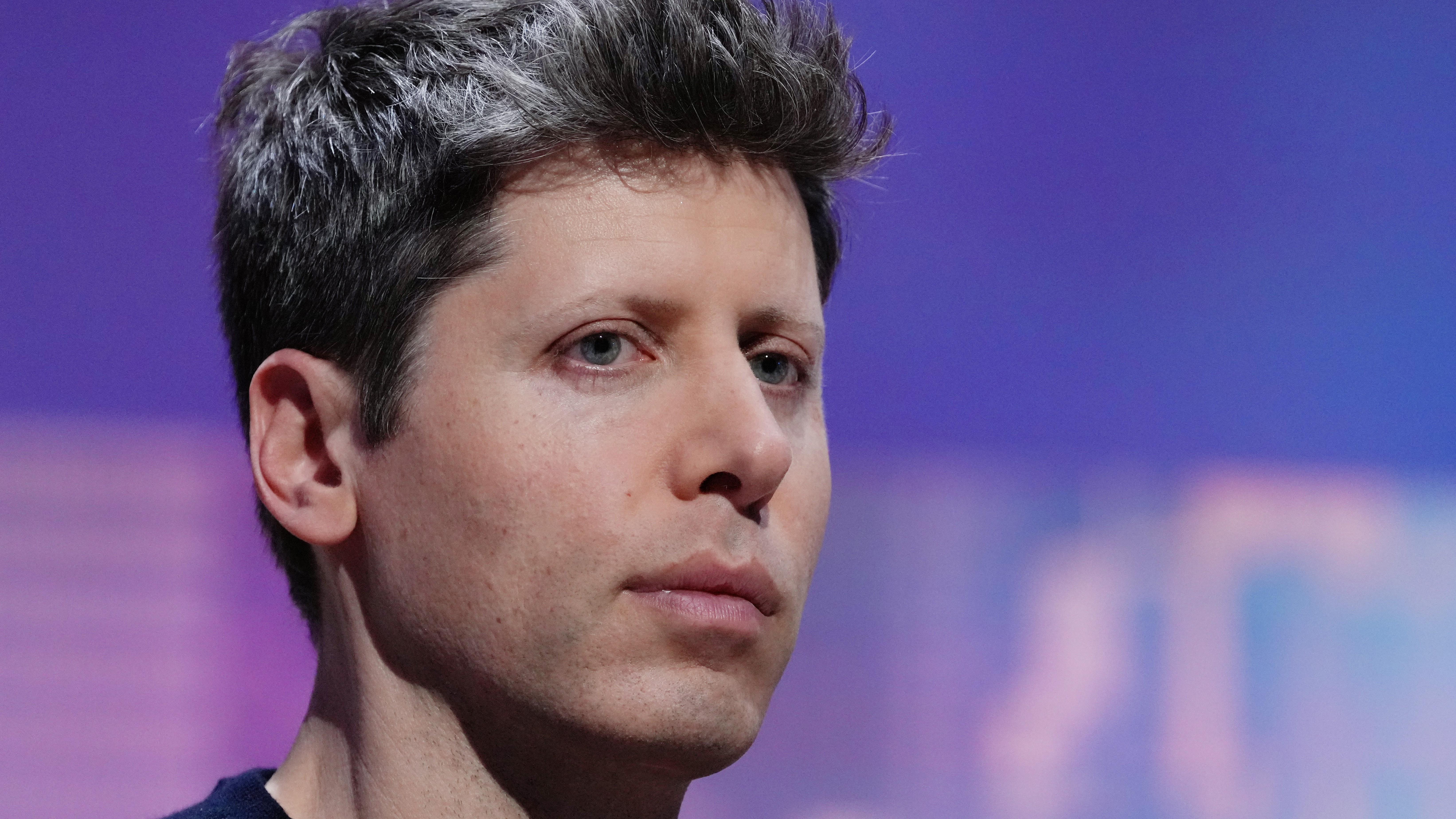
OpenAI, the prominent artificial intelligence research and deployment company, is currently navigating a period of intense scrutiny and criticism concerning its AI security protocols and the potential for misuse of its advanced artificial intelligence models. Reports have emerged detailing a series of security lapses, which have consequently raised significant alarms among cybersecurity experts and AI ethicists regarding the broader implications for data protection and the responsible deployment of AI technologies. The exact scope and extent of these AI-hacking crises remain difficult to ascertain, contributing to an atmosphere of uncertainty and concern within the tech community and among the general public.
These reported security vulnerabilities could potentially empower malicious actors to exploit OpenAI's systems. Such exploitation might lead to unauthorized access to sensitive information, including proprietary data or user information, or the manipulation of AI outputs for harmful purposes, such as generating misinformation or facilitating cyberattacks. The development and deployment of powerful AI models, such as OpenAI's large language models like GPT-3 and its successors, necessitate the implementation of exceptionally robust security measures to prevent such breaches. The company's stated commitment to safety and security is now being re-examined in light of these revelations, with many stakeholders, including investors, regulators, and the public, calling for greater transparency and accountability in its operations.
The potential for sophisticated AI systems to be compromised poses a substantial and escalating risk, not only to the organizations developing them, like OpenAI, but also to the users who interact with these technologies and society at large. The ongoing discussions surrounding these security issues underscore the critical need for continuous vigilance and proactive measures in the rapidly evolving field of artificial intelligence. As AI capabilities advance at an unprecedented pace, driven by companies like OpenAI, Google DeepMind, and Meta AI, the associated security challenges also escalate. Experts emphasize that the responsible development of AI must proceed in tandem with the implementation of stringent security frameworks, regular independent audits, and rapid response mechanisms to address emerging threats effectively. The current situation highlights the complex and often delicate interplay between rapid technological innovation and the imperative of robust security in the AI domain, demanding a concerted and collaborative effort from developers, policymakers, researchers, and the public to ensure that AI technologies are developed and utilized in a manner that genuinely benefits humanity while rigorously mitigating potential risks.
Original source — read the full reporting at the publisher:
Read on The AtlanticGet the weekly AI digest
AI news + new model releases, weekly. Drafted by our agents, reviewed by humans.