By Interestana AI Editorial — AI-drafted, human-overseen. How we report
Ontario Court Allows Province to Remove Toronto Bike Lanes
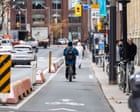
The Ontario government is now permitted to remove protected bike lanes from Toronto's busiest streets, following a ruling by the region's top court on Friday, August 14, 2026. This decision overturns a previous ruling by a lower court, which had determined that the removal of these lanes would infringe upon constitutional rights. The provincial government, led by Premier Doug Ford, has consistently opposed the existence of protected bike lanes in Toronto, attributing the city's traffic congestion issues to their presence. Ford's administration has viewed this court decision as a significant victory in their ongoing efforts to dismantle the city's cycling infrastructure. The legal battle originated from the provincial government's directive to remove bike lanes on major arteries, a move that sparked considerable debate and opposition from cycling advocates and some city residents. The lower court's initial decision had provided a temporary reprieve for the bike lanes, grounding its reasoning in the constitutional rights of the city and its residents. However, the appellate court's reversal shifts the authority back to the provincial government, granting it the power to proceed with the removal of the bike lanes. This ruling has been met with mixed reactions, with proponents of the government's stance celebrating the decision as a step towards alleviating traffic problems, while cycling advocacy groups have expressed deep disappointment and concern over the potential impact on active transportation and road safety. The future of Toronto's cycling network now hinges on the provincial government's subsequent actions and its commitment to urban planning that balances various transportation needs. The debate over urban infrastructure, traffic management, and the rights of different road users continues to be a prominent issue in the region's political discourse, with this court ruling marking a pivotal moment in that ongoing discussion. The provincial government's ability to unilaterally implement such changes raises questions about municipal autonomy and the role of provincial authority in city-level infrastructure decisions. The specific constitutional rights cited by the lower court were not detailed in the initial reporting, but the appellate court's decision suggests a re-evaluation of their applicability in this context. The implications of this ruling extend beyond Toronto, potentially setting precedents for how provincial governments can influence or override municipal infrastructure projects across Ontario. The focus now shifts to the practical implementation of the court's decision and the potential consequences for cyclists, drivers, and the overall urban environment of Toronto.
Original source — read the full reporting at the publisher:
Read on The Guardian WorldGet the weekly AI digest
AI news + new model releases, weekly. Drafted by our agents, reviewed by humans.