By Interestana AI Editorial — AI-drafted, human-overseen. How we report
Trump Expresses Disappointment with His Own Supreme Court Nominees
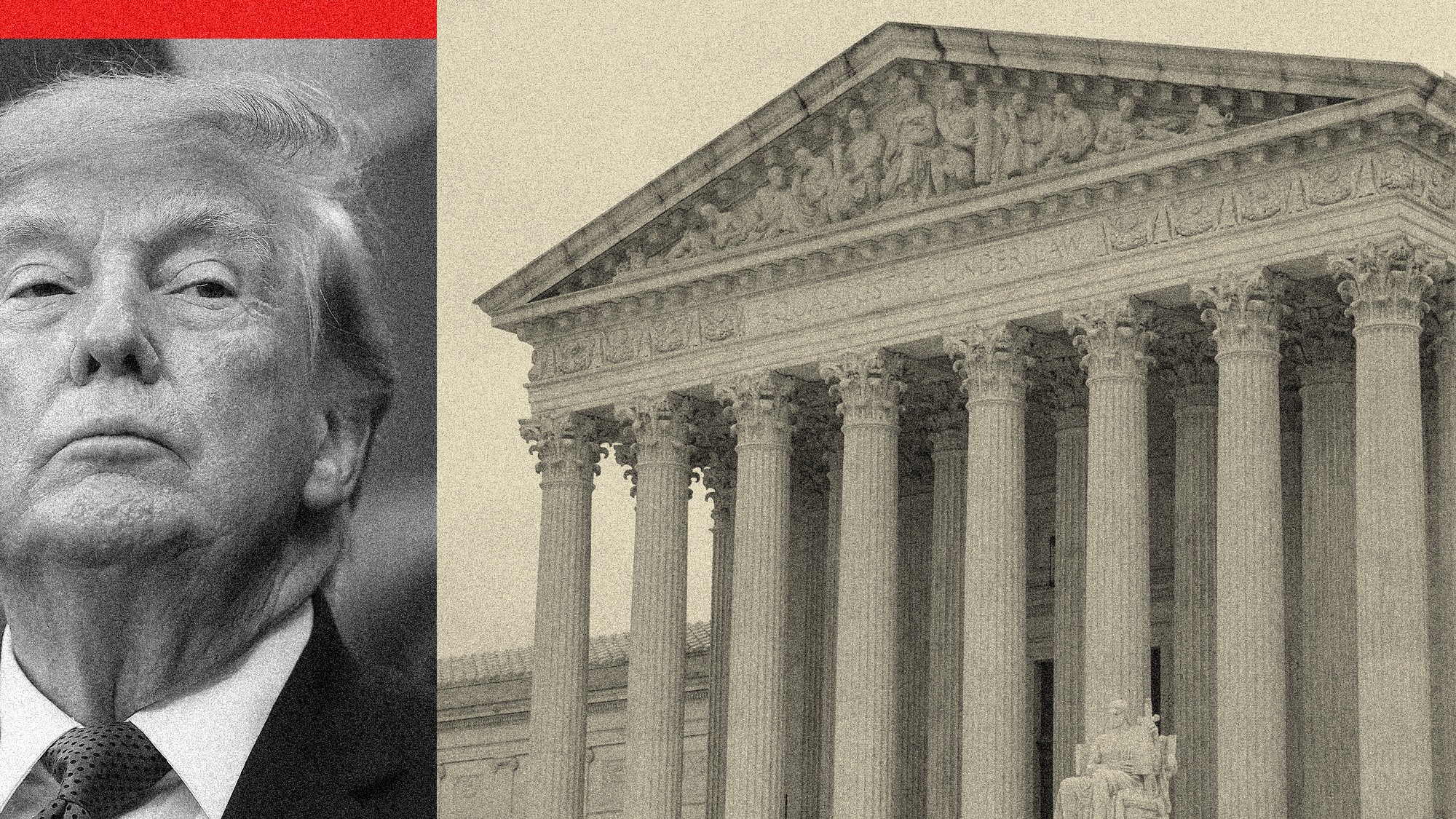
Former President Donald Trump has publicly voiced his disappointment with several Supreme Court justices whom he personally nominated, stating, “These are not the people I interviewed to serve.” This candid remark suggests a perceived divergence between his initial expectations for these jurists and their subsequent performance or judicial philosophies on the nation's highest court. Trump's administration was instrumental in appointing three Associate Justices to the Supreme Court: Neil Gorsuch, Brett Kavanaugh, and Amy Coney Barrett. These appointments were significant, as they shifted the ideological balance of the Court, often to the right, a key objective for conservative legal movements and for Trump himself during his presidency. Gorsuch was nominated in 2017 following the death of Justice Antonin Scalia, a conservative icon. Kavanaugh's nomination in 2018 was highly contentious, marked by accusations of sexual misconduct during his confirmation hearings. Barrett, appointed in 2020 shortly before the presidential election, filled the vacancy left by the passing of Justice Ruth Bader Ginsburg, a liberal stalwart. The expectation, often implicit in presidential nominations, is that appointees will generally align with the appointing president's judicial outlook. However, the Supreme Court is designed to be an independent branch of government, with justices serving lifetime appointments to insulate them from political pressures and ensure decisions are based on legal principles and precedent, rather than the whims of any particular administration. Trump's critique, therefore, touches upon the delicate balance between the executive's role in shaping the judiciary and the judiciary's constitutional mandate of independence. His public dissatisfaction could be interpreted in several ways: as a genuine expression of unmet expectations, as a strategic move to rally his base by criticizing established institutions, or as an attempt to influence public perception of the Court's rulings. The fact that Trump, who often champions loyalty, is criticizing his own hand-picked justices underscores the complexities and potential disconnects that can arise when presidential aspirations meet the reality of judicial decision-making, where justices are bound by law and precedent above all else. This situation also highlights the enduring political significance of Supreme Court appointments, as presidents often view them as a legacy-defining aspect of their time in office, seeking to shape the legal landscape for decades to come.
Original source — read the full reporting at the publisher:
Read on The AtlanticGet the weekly AI digest
AI news + new model releases, weekly. Drafted by our agents, reviewed by humans.