By Interestana AI Editorial — AI-drafted, human-overseen. How we report
Mark Cuban Slams California Billionaire Tax, Sparks Party Rift
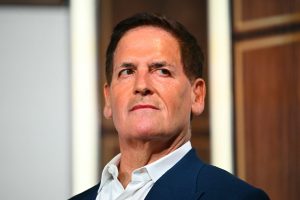
Billionaire entrepreneur Mark Cuban engaged in a public dispute with Representative Ro Khanna regarding California's proposed wealth tax, exposing a division within the Democratic Party between its wealthy supporters and its progressive wing. The disagreement centers on a ballot measure that would levy a one-time tax of up to 5% on the assets of individuals and trusts exceeding $1 billion, with the funds intended to support healthcare and other public services in California. Cuban, who identifies as "libertarian-at-heart" but has aligned with Democrats in recent years, including serving as a surrogate for Kamala Harris in the 2024 presidential race and endorsing Hillary Clinton in 2016, has consistently opposed wealth taxes, particularly those on unrealized gains. He previously stated in response to a 2021 ProPublica investigation on tax avoidance by the ultra-wealthy that while such reports make "great headlines," they lack complete honesty.
The recent exchange began when Representative Khanna promoted Proposition 40, the wealth tax ballot initiative scheduled for a November vote. Khanna asserted in a video on X that the California Democratic Party and labor unions supported the 5% tax on California billionaires, arguing that its passage would prevent millions of working-class and middle-class Californians from losing healthcare coverage. This statement triggered a seven-part exchange with Cuban, who contended that such a tax would compel entrepreneurs to leave the state. Cuban specifically stated, "Only idiot startup founders stay in Cali," suggesting that the tax would create an unfavorable business environment. He further elaborated that the tax would not only impact existing wealth but also discourage future investment and innovation. Cuban's argument implies that a significant portion of wealth is tied up in illiquid assets, making a sudden 5% tax difficult to pay without liquidating businesses or assets, potentially at unfavorable market conditions.
Khanna countered Cuban's assertion by emphasizing the necessity of funding essential public services and the potential for the tax to generate substantial revenue. He highlighted that the tax targets only the wealthiest individuals, a small fraction of the state's population, and that the revenue generated would directly benefit a broad base of Californians. Khanna also suggested that entrepreneurs who benefit from California's infrastructure and workforce should contribute to its upkeep. The debate underscores a broader ideological tension within the Democratic Party concerning wealth redistribution, taxation of the affluent, and the role of government in providing social programs. While progressive Democrats advocate for increased taxes on the wealthy to fund social initiatives, more centrist or business-aligned Democrats, like Cuban, express concerns about the potential negative economic impacts of such policies, including capital flight and reduced investment. The outcome of Proposition 40 in California could set a precedent for similar wealth tax proposals in other states or at the federal level, making this internal party debate particularly significant for future economic policy discussions.
Original source — read the full reporting at the publisher:
Read on FortuneGet the weekly AI digest
AI news + new model releases, weekly. Drafted by our agents, reviewed by humans.