By Interestana AI Editorial — AI-drafted, human-overseen. How we report
UK Jurassic Fossil Collection Sold to Abu Dhabi Museum
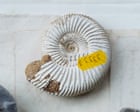
One of the United Kingdom's most important collections of Jurassic fossils has been sold to a museum in Abu Dhabi, a transaction that British experts have characterized as a significant loss to the nation. The Guardian revealed the sale, which occurred because British museums lacked the necessary funds to acquire the collection, valued at an eight-figure sum. The collection was privately amassed and comprises 318 distinct specimens. These specimens include a variety of ancient marine life, such as ichthyosaurs, fish, and crustaceans. Notably, some of these fossils may represent previously undiscovered species, underscoring the scientific significance of the collection. The lack of available funding within the UK's public museum system prevented domestic institutions from making a counteroffer or securing the collection for public display and research. This situation highlights a recurring challenge for cultural and scientific heritage preservation, where financial constraints can lead to the dispersal of valuable national assets. The acquisition by an overseas institution means that these specimens will no longer be readily accessible to UK researchers or the British public, potentially hindering future paleontological studies and educational initiatives. The specific Abu Dhabi institution that acquired the collection was not named in the report, nor was the exact eight-figure sum disclosed. However, the implication is that the sale price was substantial enough to be beyond the reach of many UK-based museums. The collection's focus on the Jurassic period means it offers insights into a critical era of Earth's history, a time when dinosaurs roamed the planet and marine reptiles dominated the oceans. The inclusion of ichthyosaurs, in particular, points to a significant representation of these marine reptiles, which are often found in Jurassic-era rock formations. The potential for new species within the collection further amplifies its scientific value, as the description of new species can significantly advance our understanding of evolutionary biology and ancient ecosystems. The sale serves as a stark reminder of the ongoing need for robust funding mechanisms to protect and preserve national treasures, especially those of scientific and historical importance. Without adequate financial support, institutions are vulnerable to losing irreplaceable artifacts and specimens to international markets, diminishing the collective heritage available for future generations. The report did not detail the timeline of the sale or when the collection was transferred to Abu Dhabi, but the implications for UK-based scientific research and public engagement with paleontology are immediate and profound. The loss is not just financial but also represents a potential setback for the UK's standing in paleontological research and its ability to showcase its rich fossil heritage.
Original source — read the full reporting at the publisher:
Read on The Guardian WorldGet the weekly AI digest
AI news + new model releases, weekly. Drafted by our agents, reviewed by humans.