By Interestana AI Editorial — AI-drafted, human-overseen. How we report
China's Long March 7A Rocket Explodes Mid-Flight
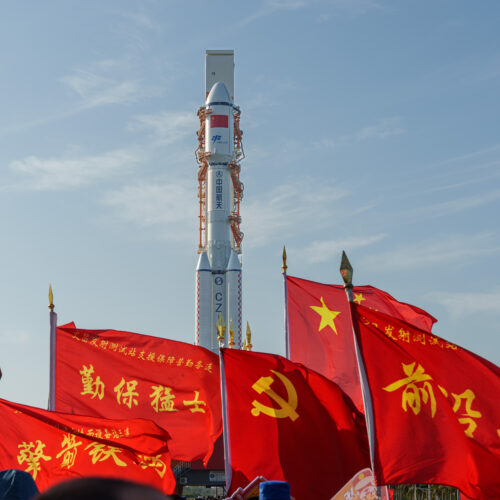
China's Long March 7A rocket experienced an in-flight explosion approximately 80 seconds after its launch on Monday evening, local time. The medium-lift launch vehicle, one of China's most frequently utilized rockets, lifted off from the Wenchang Space Launch Site. Initial observations from publicly available video footage indicated that the liftoff sequence appeared nominal. However, approximately one minute and twenty seconds into the flight, the rocket's first stage detonated. The payload carried by the Long March 7A was classified, but it was widely believed to be a military communications satellite. The Long March 7A rocket is a product of the China Aerospace Science and Technology Corporation (CASC), a state-owned enterprise that is the primary contractor for China's space program. The operation of the rocket falls under the purview of China's state space agency. As of Monday night in China, official statements from state authorities regarding the incident had not been released. This launch failure represents a significant setback for China's space program, particularly for its capabilities in deploying military and communications satellites. The Long March 7A is designed to carry payloads of up to 13.5 metric tons to low Earth orbit and 7 metric tons to geostationary transfer orbit, making it a crucial component for various national space missions. Its development was intended to enhance China's access to space and reduce reliance on older launch systems. The specific cause of the explosion remains undetermined pending a formal investigation. Failures of this nature can lead to extensive reviews of design, manufacturing processes, and operational procedures. The Wenchang Space Launch Site, located on Hainan Island, is China's newest and most advanced launch facility, designed to accommodate larger rockets and a higher launch cadence. The loss of a Long March 7A rocket, along with its payload, has implications for ongoing satellite deployment schedules and potentially for national security interests if the payload was indeed a critical military asset. The China Aerospace Science and Technology Corporation is a major player in the global space industry, involved in everything from satellite manufacturing to human spaceflight missions. This incident will likely draw scrutiny from international observers and potentially impact future launch contracts or partnerships. The lack of immediate comment from state officials is not unusual in such situations, as investigations typically precede public statements to ensure accuracy and completeness of information.
Original source — read the full reporting at the publisher:
Read on Ars TechnicaGet the weekly AI digest
AI news + new model releases, weekly. Drafted by our agents, reviewed by humans.