By Interestana AI Editorial — AI-drafted, human-overseen. How we report
One Nation Staffer Accused of Impersonating Content Creator
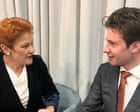
One Nation, an Australian political party, is facing accusations of impersonating the owners of a progressive social media page while filming a series of "undercover" videos at anti-Pauline Hanson rallies. The videos, which feature a young male host interviewing protesters, were published on social media platforms including Instagram, TikTok, and X, and appear on pages associated with One Nation and its leader, Pauline Hanson. These clips aim to embarrass protesters through filmed interviews. The owners of the progressive social media page have stated that the individual featured in the videos was posing as one of their content creators, leading to the accusation of impersonation. The nature of the "undercover" filming and the alleged impersonation have raised concerns about the party's tactics in engaging with political opposition and public discourse. The videos were reportedly filmed at rallies specifically opposing Pauline Hanson and the One Nation party. The use of such tactics by a political party, particularly involving alleged impersonation, could have implications for political campaigning and public trust. The content of the videos themselves, which involve interviewing individuals at protests, suggests an attempt by One Nation to engage with or discredit opposing viewpoints through a seemingly independent or sympathetic persona. The accusation highlights a potential ethical boundary crossed in political media production, where the authenticity of representation is questioned. The progressive social media page owners have publicly voiced their concerns, bringing attention to the methods employed by the One Nation party. The situation underscores the evolving landscape of political communication, where social media plays a significant role in shaping narratives and influencing public opinion. The use of "undercover" filming and alleged impersonation by a political entity raises questions about transparency and the legitimacy of political engagement strategies. The specific platforms used for dissemination—Instagram, TikTok, and X—indicate a deliberate effort to reach a broad and potentially younger audience through popular social media channels. The involvement of Pauline Hanson's name and party pages in the publication of these videos suggests a level of endorsement or strategic deployment of this content by the party leadership. The core of the accusation lies in the alleged misrepresentation of identity by a party staffer to gather material for political content, which could be seen as a deceptive practice. The progressive social media page owners' claims suggest that their identity and platform were co-opted without consent or knowledge for the purpose of creating content critical of protesters. This incident points to a broader trend of political actors employing sophisticated and sometimes controversial methods to influence public perception and political discourse in the digital age. The investigation into these claims will likely focus on the authenticity of the filming, the identity of the staffer, and the extent of One Nation's knowledge and approval of the alleged impersonation. The outcome could have ramifications for political advertising standards and the ethical guidelines governing political campaigning in Australia.
Original source — read the full reporting at the publisher:
Read on The Guardian WorldGet the weekly AI digest
AI news + new model releases, weekly. Drafted by our agents, reviewed by humans.