By Interestana AI Editorial — AI-drafted, human-overseen. How we report
Macro Photography Captures Nature's Intricate Details
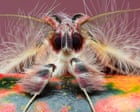
Macro photography, a specialized genre of nature photography, involves capturing subjects at extremely close ranges, revealing intricate details often imperceptible to the naked eye. This technique allows photographers to showcase the complex structures of insects, the delicate textures of plants, and the subtle patterns in natural elements. Photographers in this field often describe the process as demanding, requiring immense patience and technical skill to achieve compelling images. Dara Ojo, a wildlife photographer, illustrates the challenges, noting the need to wait for extended periods, sometimes days, for subjects like insects to become cooperative for a shot. The unpredictability of these small creatures adds a layer of difficulty, with Ojo expressing a common sentiment of hoping "please don't fly away" during a crucial moment. The growing popularity of macro photography suggests a broader public interest in appreciating the miniature world and its often-overlooked beauty. This art form transforms everyday natural elements into subjects of intense visual fascination, highlighting the complexity and artistry inherent in nature's smallest creations. The appeal lies in its ability to present a magnified perspective, turning the familiar into the extraordinary. For instance, a fly's compound eye, with its thousands of individual lenses, or the intricate geometric design of a spider's face, become the central focus, offering viewers a new appreciation for the biodiversity around them. This genre requires specialized equipment, including macro lenses that allow for very short minimum focusing distances, and often necessitates careful control of lighting to illuminate the subject without disturbing it. Furthermore, achieving sharp focus on such a small plane of depth can be exceptionally challenging, leading photographers to employ techniques like focus stacking, where multiple images with different focus points are combined to create a single, fully sharp image. The dedication involved in macro photography extends beyond technical proficiency; it requires a deep observational skill and an intimate understanding of the subject's behavior and environment. The art form serves as a powerful reminder of the vastness of life that exists at scales we typically overlook, encouraging a more mindful engagement with the natural world. The increasing attention to macro photography also aligns with a broader trend of appreciating detail and complexity in visual media, as seen in the rise of high-resolution imaging and detailed visual storytelling across various platforms. The ability to zoom in and reveal hidden worlds has a captivating effect, drawing viewers into a realm of intricate patterns, vibrant colors, and surprising forms that define the macro photographic experience. This artistic pursuit not only showcases the photographer's skill but also educates and inspires audiences about the often-unseen wonders of the natural environment, fostering a greater connection to and respect for the planet's diverse ecosystems.
Original source — read the full reporting at the publisher:
Read on The Guardian EnvironmentGet the weekly AI digest
AI news + new model releases, weekly. Drafted by our agents, reviewed by humans.