By Interestana AI Editorial — AI-drafted, human-overseen. How we report
Louisiana LNG Terminal Expansion Faces Environmental Concerns
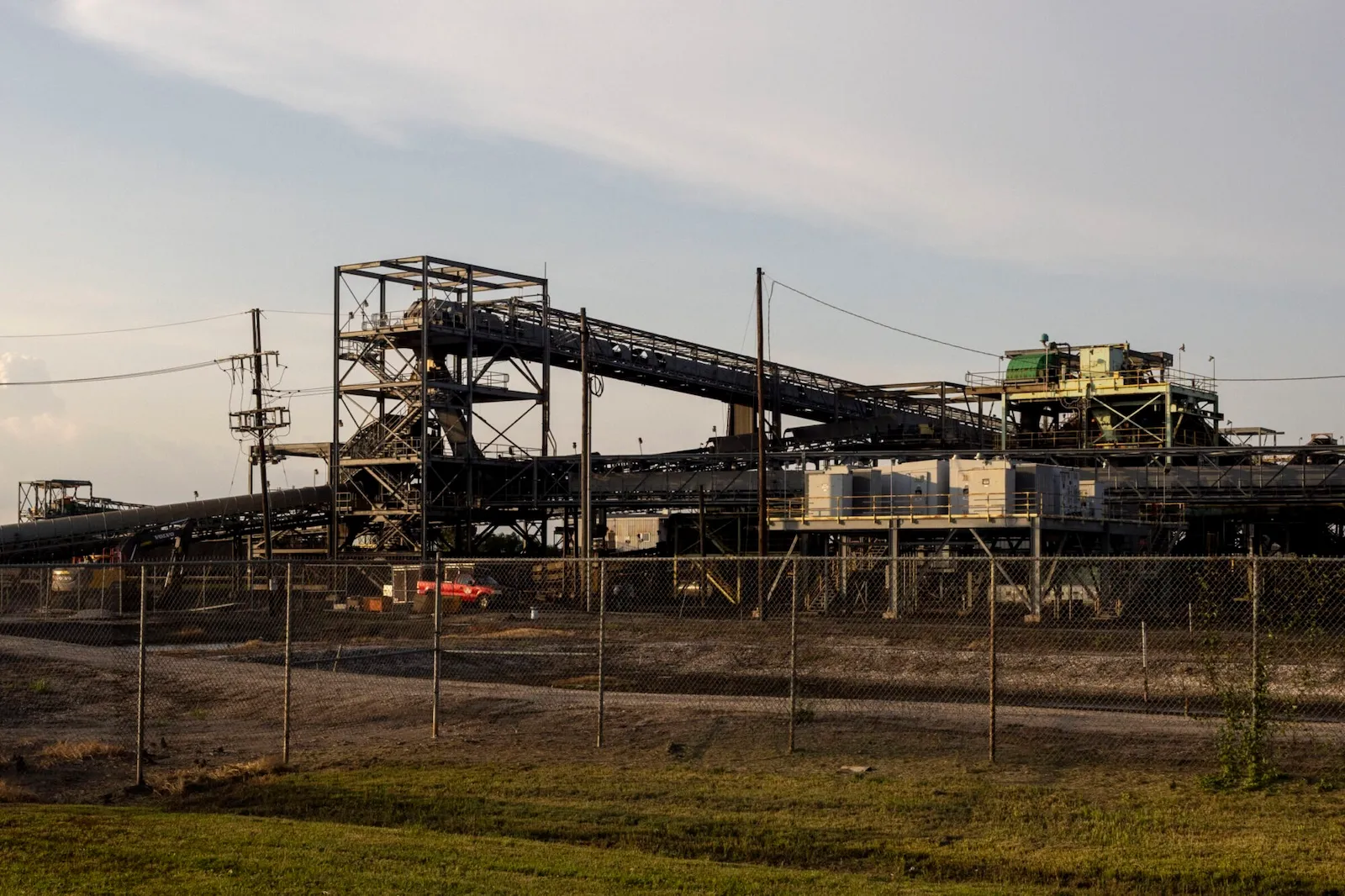
A liquefied natural gas (LNG) terminal located near New Orleans, Louisiana, is pursuing a multi-billion dollar expansion that environmental advocates fear could exacerbate coastal erosion and wetland loss in a region already facing a severe land crisis. The Plaquemines LNG facility, owned by Virginia-based Venture Global, is seeking to more than double its operational footprint from approximately 590 acres to about 1,220 acres along the Mississippi River. This expansion would position it as the largest LNG export terminal in North America. The expansion is being fast-tracked under a "national energy emergency" declaration made by former President Donald Trump last year, which allows for significantly reduced regulatory review. The U.S. Army Corps of Engineers has already granted Plaquemines LNG expedited permitting, shortening the public comment period from the standard 30 days to just 10 days. Environmental groups are concerned that this accelerated process will lead to insufficient scrutiny of critical environmental impacts, including dredging activities, in-water construction, and the direct filling of vital marshlands. According to estimates from the Army Corps of Engineers, Venture Global's proposed $18 billion expansion project could result in the damage or destruction of up to 470 acres of wetlands and river bottoms in central Plaquemines Parish, located approximately 25 miles south of New Orleans. Matt Rota, a senior policy director for the environmental group Healthy Gulf, highlighted the critical state of Louisiana's coast, stating that "Louisiana is already dealing with a coastal crisis." He further expressed concern over the potential loss of "400 more acres in Plaquemines Parish," emphasizing the limited remaining land in the region. Plaquemines Parish has experienced substantial land loss over the past six decades, with more than 250 square miles disappearing due to a combination of land subsidence, rising sea levels, and coastal erosion. Projections from the state's Coastal Protection and Restoration Authority indicate that an additional 300 square miles of land, representing roughly half of the parish's current landmass, could be lost within the next 50 years. This dire situation is not unique to Plaquemines Parish; much of Louisiana's coastline faces similar existential threats. The Plaquemines LNG terminal itself began operations less than two years prior to this expansion request. The expedited permitting process, initiated under the Trump administration's "emergency" designation, aims to streamline the approval of energy infrastructure projects by cutting down on regulatory hurdles and review periods, a move that has drawn criticism from environmental organizations concerned about the long-term ecological consequences for vulnerable coastal areas.
Original source — read the full reporting at the publisher:
Read on GristGet the weekly AI digest
AI news + new model releases, weekly. Drafted by our agents, reviewed by humans.