By Interestana AI Editorial — AI-drafted, human-overseen. How we report
Refined Oil Markets Show Tightness Despite Crude Price Drop
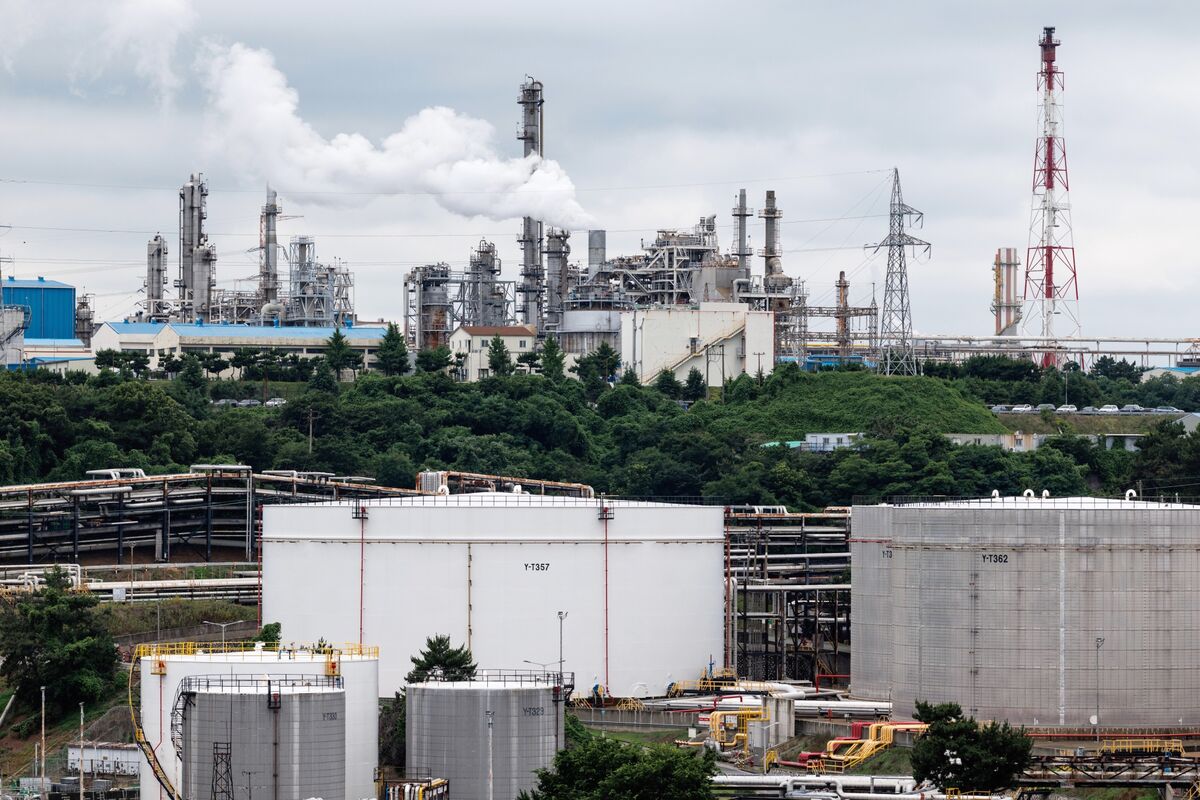
Refined oil product markets are demonstrating significant tightness, a trend that contrasts sharply with the near-complete erasure of crude oil's wartime rally. This divergence suggests that while the headline crude oil price may appear stable or declining, the underlying supply and demand dynamics for essential fuels like gasoline and diesel are under considerable pressure. The market for refined products is a critical component of the global energy landscape, impacting transportation, industry, and consumer costs.
Several factors are contributing to this growing tightness in refined product markets. Geopolitical tensions, particularly in regions like the Middle East, continue to disrupt supply chains and create uncertainty, even if crude oil prices have not fully reflected these risks. Additionally, refinery outages, both planned and unplanned, have reduced the global capacity to convert crude oil into usable fuels. Maintenance schedules, which are often staggered, can lead to temporary but impactful reductions in output. Furthermore, a surge in demand for refined products in certain regions, driven by economic recovery or seasonal factors, can exacerbate supply constraints.
The implications of this refined product tightness are far-reaching. Consumers are likely to face higher prices at the pump for gasoline and diesel, impacting household budgets and transportation costs. Industries reliant on these fuels, such as logistics and agriculture, may experience increased operational expenses. This situation can also contribute to broader inflationary pressures, as higher energy costs ripple through the economy. The differential between crude oil prices and refined product prices, often referred to as the "crack spread," is a key indicator of refinery profitability and market health, and it is likely widening in favor of refiners experiencing these supply constraints.
Analysts are closely monitoring the interplay between crude oil supply, refinery operations, and global demand for refined products. The strategic importance of the Strait of Hormuz, a vital chokepoint for oil tanker traffic, remains a background concern, but the current focus is on the tangible constraints in the processing and distribution of refined fuels. The ability of refineries to ramp up production and navigate logistical challenges will be crucial in alleviating this tightness and stabilizing prices for essential fuel products in the coming months.
Original source — read the full reporting at the publisher:
Read on Bloomberg MarketsGet the weekly AI digest
AI news + new model releases, weekly. Drafted by our agents, reviewed by humans.