By Interestana AI Editorial — AI-drafted, human-overseen. How we report
Oil Prices Surge Amid U.S.-Iran Tensions
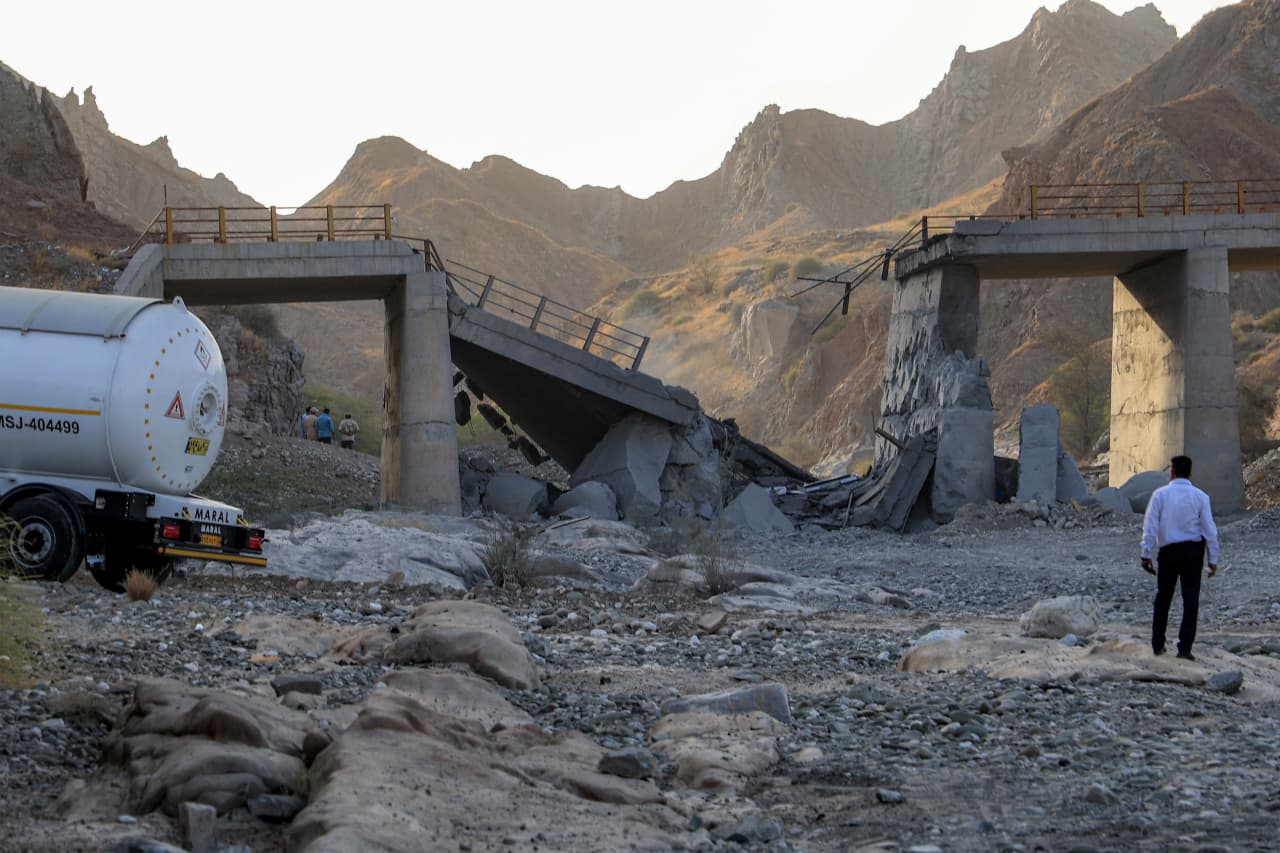
Oil prices experienced a notable surge on Sunday, reflecting an intensification of conflict in the Middle East involving the United States and Iran. This geopolitical development has injected volatility into energy markets, with Brent crude futures climbing by over 2% to reach $85.50 per barrel. West Texas Intermediate (WTI) crude futures also saw an uptick, trading around $81.20 per barrel. The escalation follows recent drone attacks attributed to Iran-backed militias targeting U.S. military installations in Iraq and Syria, prompting retaliatory strikes by U.S. forces. Analysts suggest that any further disruption to oil supply routes in the Persian Gulf could lead to sustained price increases.
In contrast to the energy market's reaction, U.S. stock-index futures showed minimal movement in early trading. The S&P 500 futures were largely flat, while Dow Jones Industrial Average futures indicated a slight decline of less than 0.1%. This divergence in market behavior suggests that investors are adopting a cautious stance, weighing the immediate impact of geopolitical events against upcoming economic data and corporate earnings reports. The technology sector is particularly in focus, with several major companies, including Apple and Microsoft, scheduled to release their quarterly financial results later this week. These earnings are expected to provide crucial insights into the health of the digital economy and the broader market sentiment.
The ongoing tensions in the Middle East have historically been a significant driver of oil price fluctuations. The current situation, characterized by direct military engagement between the U.S. and Iran-backed groups, presents a heightened risk of regional instability. The Organization of the Petroleum Exporting Countries (OPEC) and its allies, known as OPEC+, have maintained production quotas, but any significant supply disruptions due to conflict could challenge their efforts to stabilize the market. Investors are closely monitoring diplomatic efforts and military actions to gauge the potential duration and severity of the conflict's impact on global energy supplies.
Original source — read the full reporting at the publisher:
Read on MarketWatchGet the weekly AI digest
AI news + new model releases, weekly. Drafted by our agents, reviewed by humans.