By Interestana AI Editorial — AI-drafted, human-overseen. How we report
Oil prices surge past $90 as US-Iran ceasefire expires and Trump issues stark warning
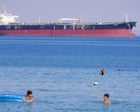
Brent crude oil prices have surged above $90 a barrel, a level not seen since July 30, 2026, driven by the expiration of a crucial two-month ceasefire window intended for peace negotiations in the protracted US-Israel war on Iran. The absence of a diplomatic breakthrough as this period concluded on Monday has injected significant uncertainty into global energy markets, with no immediate end to the conflict in sight. This development marks a critical juncture in the ongoing hostilities, which have already been a significant factor influencing global energy prices.
On the day the negotiation period ended, Iran signaled its readiness to adopt a more aggressive stance should diplomatic talks with the United States fail to yield a resolution. This statement underscores the high stakes involved and the potential for escalation. Simultaneously, former US President Donald Trump, speaking in an interview with Fox News, issued a direct and forceful demand to Tehran, calling for Iran to "put up the white flag of surrender." This stark rhetoric from a prominent political figure, coupled with Iran's own assertive pronouncements, amplifies geopolitical tensions and contributes to market apprehension regarding the stability of future oil supplies. The US-Israel war on Iran, a conflict that has demonstrably impacted regional stability and global energy flows, has now entered a phase where the lack of a peace agreement is directly translating into market volatility.
The two-month window had offered a critical opportunity for de-escalation and dialogue between the involved parties. Its conclusion without a tangible peace agreement has effectively reintroduced significant risk premiums into the oil market. Analysts suggest that the renewed uncertainty surrounding the trajectory of the conflict, and the palpable risk of further military actions or intensified diplomatic standoffs, are primary drivers behind the current price surge. Market participants are now closely scrutinizing developments in the Middle East, as any further military engagements or significant shifts in the diplomatic landscape could precipitate additional price fluctuations. The global economy's deep reliance on oil supplies renders such geopolitical events particularly impactful, and the current price level of Brent crude above $90 a barrel serves as a clear reflection of these concerns and the market's anticipation of potential supply disruptions or shifts in demand dynamics stemming from the ongoing conflict and the strong pronouncements from key political actors.
Original source — read the full reporting at the publisher:
Read on The Guardian WorldGet the weekly AI digest
AI news + new model releases, weekly. Drafted by our agents, reviewed by humans.