By Interestana AI Editorial — AI-drafted, human-overseen. How we report
Oil Prices Drop as Hormuz Strait Talks Progress
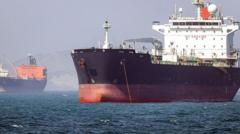
Oil prices fell on Tuesday as United States Secretary of State Marco Rubio and Treasury Secretary Scott Bessent announced that talks aimed at reopening the Strait of Hormuz for maritime shipments had progressed significantly. The potential reopening of this critical chokepoint, which has been a source of geopolitical tension and disruption to global oil supply, has eased market concerns about supply constraints. The Strait of Hormuz is a vital waterway, accounting for approximately 20% of global oil consumption and 30% of global liquefied natural gas (LNG) exports. Its strategic importance means that any disruption to traffic through the strait can have immediate and substantial impacts on global energy markets, leading to price volatility. The specific details of the negotiations and the parties involved were not fully disclosed by Secretary Rubio and Secretary Bessent in their public statements. However, the positive sentiment generated by their remarks was sufficient to drive down crude oil futures. West Texas Intermediate (WTI) crude for July delivery fell by $1.15, or 1.4%, to settle at $78.37 a barrel on the New York Mercantile Exchange. Similarly, Brent crude for August delivery on the ICE Futures Europe exchange declined by $1.02, or 1.2%, to close at $82.60 a barrel. The market's reaction underscores the sensitivity of oil prices to supply-side risks, particularly those emanating from major production regions or critical transit routes. The ongoing geopolitical situation in the Middle East has been a persistent factor influencing oil prices, with concerns over potential escalations and their impact on energy infrastructure. The announcement of progress in the Hormuz Strait negotiations offers a potential de-escalation and a pathway towards restoring more stable energy flows. Analysts will be closely monitoring further developments to assess the sustainability of this positive trend and its long-term implications for global energy security and price stability. The successful reopening of the strait could lead to a more sustained period of lower oil prices, benefiting consumers and businesses worldwide by reducing transportation and production costs. Conversely, any breakdown in negotiations or renewed tensions could quickly reverse these gains and push prices higher. The market's immediate response indicates a strong preference for stability and predictability in energy supply chains.
Original source — read the full reporting at the publisher:
Read on BBC World NewsGet the weekly AI digest
AI news + new model releases, weekly. Drafted by our agents, reviewed by humans.