By Interestana AI Editorial — AI-drafted, human-overseen. How we report
Oil Prices Drop Amidst Iran-US Diplomatic Signals
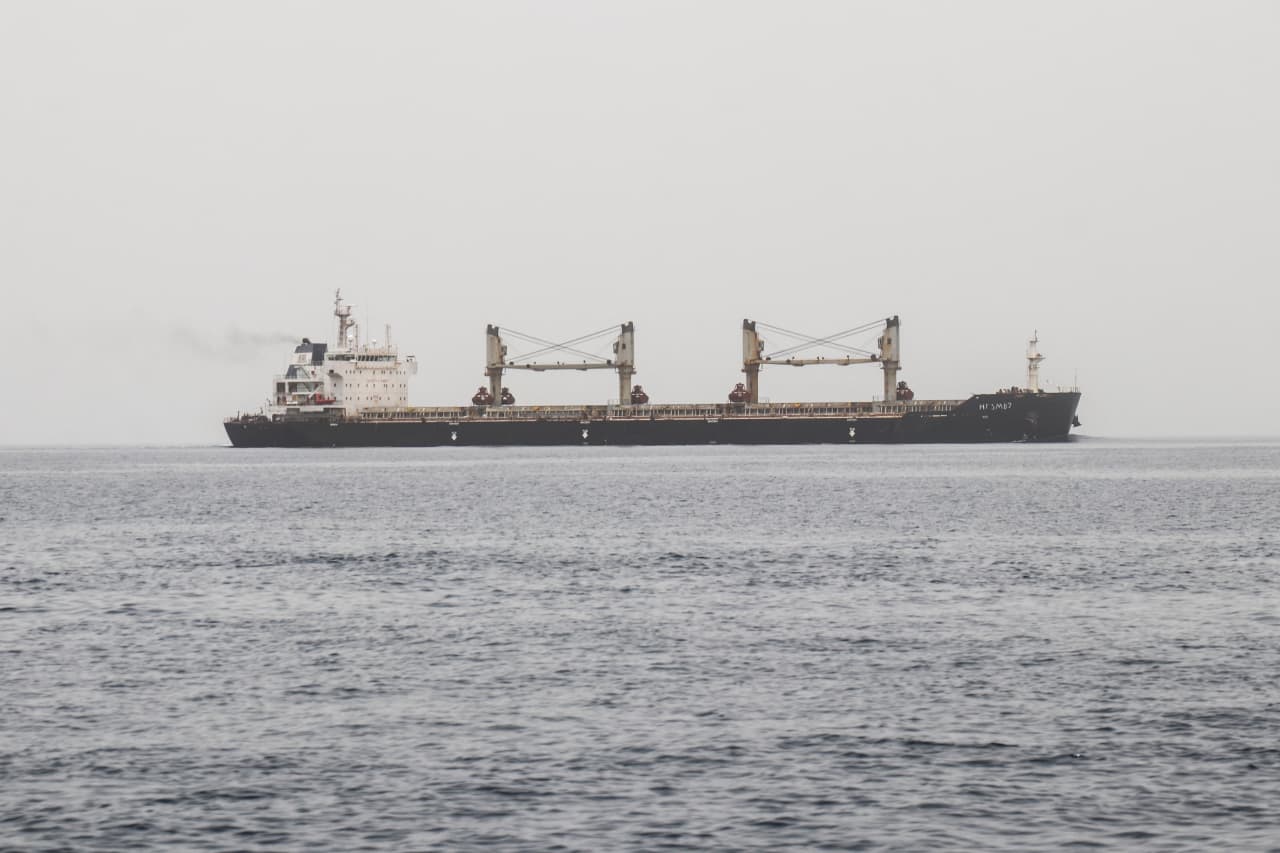
Oil prices experienced a further decline as front-month contracts for both Brent crude and West Texas Intermediate (WTI) saw a decrease. This downward trend is attributed to ongoing signals of diplomatic engagement between the United States and Iran, suggesting a potential de-escalation of tensions. The market is closely monitoring these developments, as any shift in the geopolitical landscape involving these two major oil-producing nations can significantly impact global supply and demand dynamics.
Former U.S. President Donald Trump stated on Tuesday that "deep talks" are underway with Iran, a claim that has garnered significant attention from international observers and market analysts. While specific details of these alleged discussions remain undisclosed, the mere suggestion of dialogue between the two countries has been enough to influence oil market sentiment. Historically, periods of heightened tension between the U.S. and Iran have led to disruptions in oil supply, often resulting in price spikes. Conversely, any indication of rapprochement or a reduction in conflict can lead to increased market confidence and a subsequent drop in oil prices.
The Organization of the Petroleum Exporting Countries (OPEC) and its allies, a group known as OPEC+, have been actively managing oil production levels to stabilize the market. Their decisions on output quotas, coupled with global economic indicators and geopolitical events, are key drivers of oil price movements. The current decline in prices, influenced by the Iran-U.S. diplomatic signals, adds another layer of complexity for OPEC+ as they consider future production strategies. The group aims to balance market stability with the economic needs of its member states, many of which rely heavily on oil revenues.
Analysts are observing whether these "deep talks" will translate into concrete policy changes or a sustained reduction in hostilities. The U.S. has previously imposed stringent sanctions on Iran, significantly impacting its oil exports and its economy. Any potential easing of these sanctions, even if not explicitly stated, could lead to an increase in Iranian oil supply reaching the global market. This, in turn, would exert downward pressure on prices, especially if global demand remains steady or shows signs of slowing. The market's reaction thus far indicates a cautious optimism that diplomatic channels may be opening, leading to a reassessment of risk premiums previously factored into oil prices.
Original source — read the full reporting at the publisher:
Read on MarketWatchGet the weekly AI digest
AI news + new model releases, weekly. Drafted by our agents, reviewed by humans.