Oil Prices Fall on Saudi Price Cut and Supply Concerns
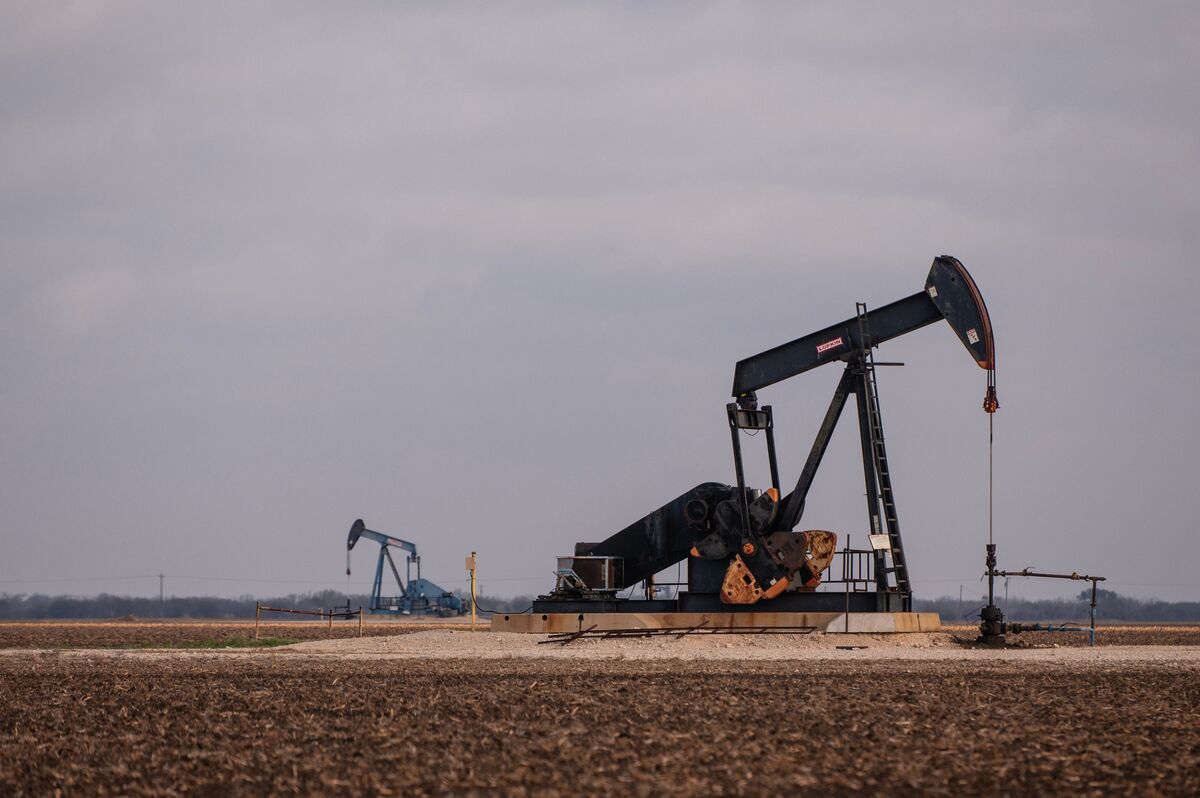
Oil prices experienced a decline on Tuesday, driven by indications of a growing oversupply in the global market. Saudi Arabia, a key player in the Organization of the Petroleum Exporting Countries (OPEC), announced significant price cuts for its crude oil shipments to Asia and the Mediterranean. This move by the world's largest oil exporter is interpreted as a signal of its intent to maintain market share amidst increasing production from other nations.
The benchmark Brent crude futures fell by 1.1% to $78.50 per barrel, while U.S. West Texas Intermediate (WTI) crude futures dropped by 1.2% to $74.00 per barrel. These price reductions by Saudi Arabia, particularly for its flagship Arab Light crude, are the steepest in at least 15 months for some regions. The cuts suggest that Saudi Aramco is willing to offer its oil at more competitive prices to secure buyers, especially as demand growth forecasts remain uncertain.
Adding to the supply concerns, traffic through the Strait of Hormuz, a critical chokepoint for oil transportation, has reportedly increased. While specific figures were not immediately available, any rise in transit volume can be a factor in market sentiment, though the primary driver for the current price drop appears to be the explicit pricing strategy of Saudi Arabia. The market is closely watching OPEC+'s next production meeting for further cues on supply management.
Analysts suggest that the Saudi price cuts could put pressure on other producers to follow suit or face losing market share. This development comes as global economic uncertainties and a slower-than-expected recovery in China continue to weigh on demand forecasts. The International Energy Agency (IEA) recently revised down its global oil demand growth forecast for 2024, citing persistent inflation and high interest rates in major economies.
Original source — read the full reporting at the publisher:
Read on Bloomberg Markets