By Interestana AI Editorial — AI-drafted, human-overseen. How we report
Oil Prices Surge Amid US Strikes in Iran
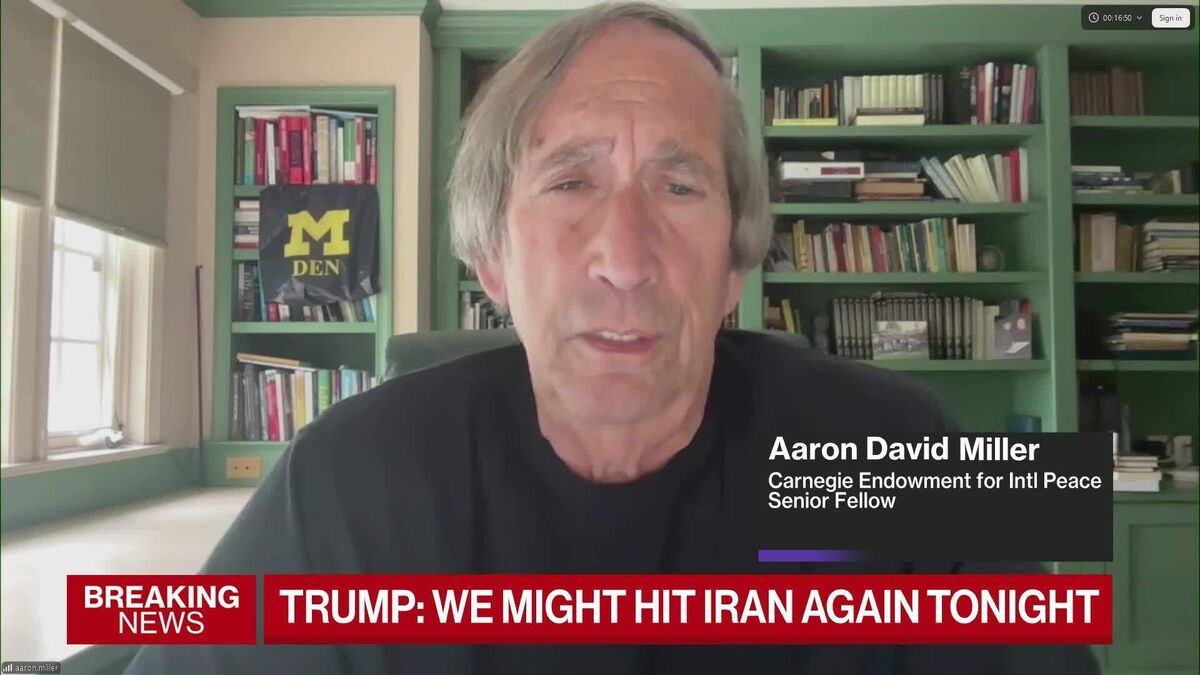
Crude oil prices continued their upward trajectory this week, driven by escalating geopolitical tensions in the Middle East. The United States launched a second day of strikes targeting sites within Iran, a move that has amplified concerns regarding the stability of global energy supplies originating from the region. This action follows a period of heightened military activity and rhetoric between the US and Iran, creating a volatile environment for oil markets.
The sustained surge in oil prices reflects market anxieties about potential disruptions to crude production and transportation routes. Analysts are closely monitoring the situation for any signs of further escalation that could impact key oil-producing nations or critical shipping lanes, such as the Strait of Hormuz. The immediate impact has been a notable increase in the price of Brent crude and West Texas Intermediate (WTI) futures, as traders price in the increased risk premium.
While specific details of the US strikes remain limited, official statements from the Pentagon indicated that the operations were aimed at degrading Iran's military capabilities. The broader implications for the global economy are significant, as higher oil prices can contribute to increased inflation and slower economic growth. Many countries are heavily reliant on imported oil, and sustained price hikes can strain national budgets and consumer spending power. The market's reaction underscores the delicate balance of supply and demand, where geopolitical events can have an outsized influence on commodity prices.
Original source — read the full reporting at the publisher:
Read on Bloomberg MarketsGet the weekly AI digest
AI news + new model releases, weekly. Drafted by our agents, reviewed by humans.