By Interestana AI Editorial — AI-drafted, human-overseen. How we report
East Coast Offshore Wind Projects Face Federal Opposition
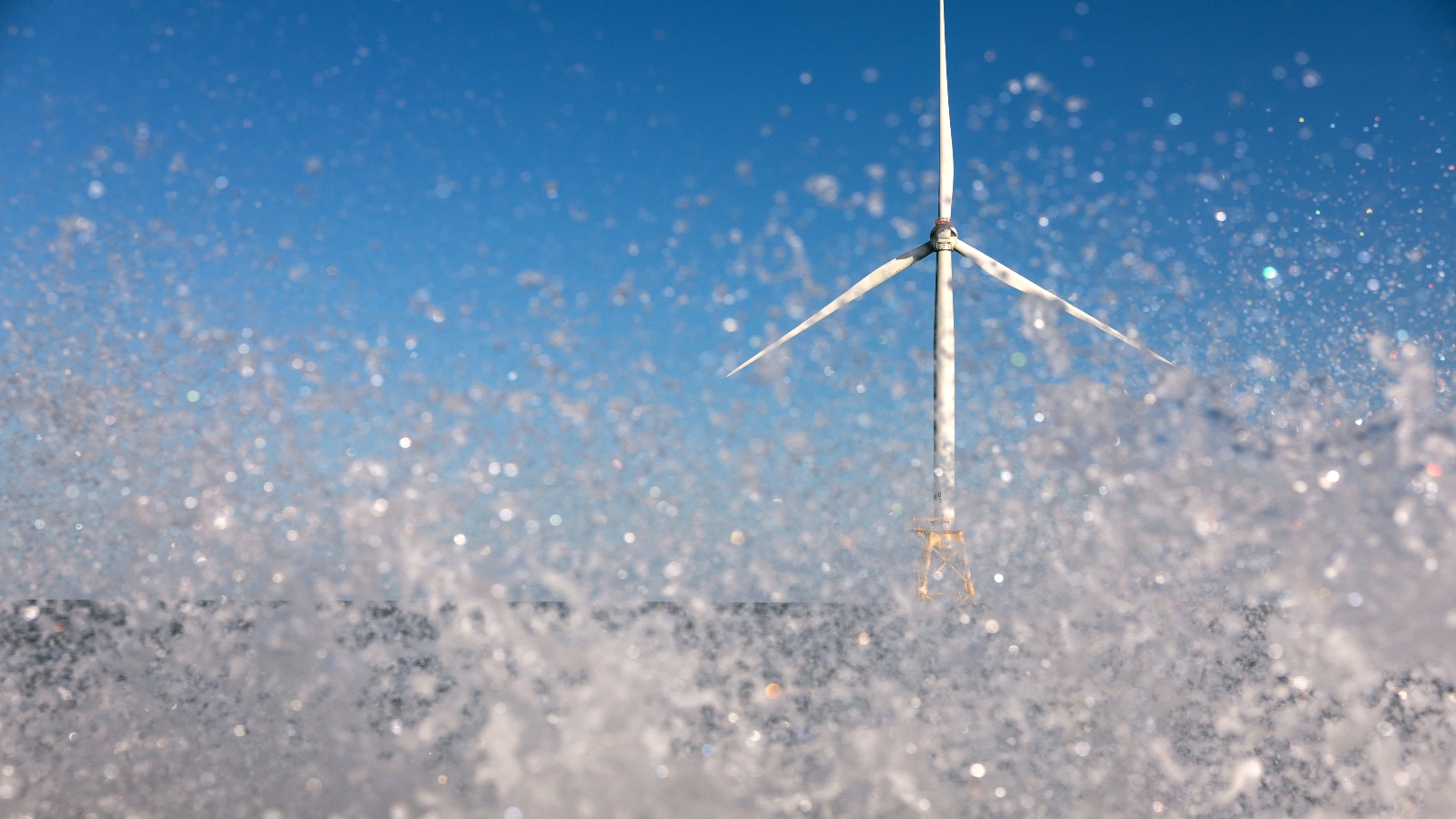
Offshore wind power projects on the U.S. East Coast are facing significant challenges, hindering the region's ability to meet renewable energy goals and combat rising electricity prices. The East Coast's densely populated landscape and aging power infrastructure limit options for large-scale renewable energy development, making offshore wind a critical, yet endangered, solution. Experts note that the industry is currently grappling with severe economic headwinds and what is described as an "openly hostile federal government."
The Trump administration's tenure introduced substantial obstacles for offshore wind developers. These included questionable Pentagon reviews, permit revocations, and stop-work orders, many of which were later overturned by courts. A particularly impactful decision by the administration was to offer financial incentives to developers to relinquish their rights to develop in federally managed waters. By mid-August, approximately $4 billion had been committed to these buyouts. This action effectively removed an estimated 21 gigawatts of potential wind power capacity from U.S. coastlines, a capacity sufficient to power over 15 million average-sized U.S. homes. Further such agreements are anticipated by industry observers.
Mark Repsher, an energy and sustainability expert at PA Consulting, described the current industry sentiment as an "irked malaise." He noted that while companies strive to maintain optimism, underlying emotions include anger and sadness among professionals whose careers are now on hold. At least nine companies, predominantly European energy giants such as Shell, continue to hold offshore wind development rights. However, the viability of some of these projects remains uncertain, with at least some appearing unlikely to proceed under current conditions. Orsted, a Denmark-based company and the world's largest offshore wind developer, is among those holding development rights, facing these compounded difficulties.
The economic viability of offshore wind projects has been further strained by high construction costs, which developers were already contending with prior to the federal government's actions. The combination of these factors has created a precarious environment for an industry that was seen as a vital component in the East Coast's transition to cleaner energy sources. The stalled progress of these projects directly impacts states' abilities to achieve their mandated emissions reduction targets, exacerbating the urgency for policy and economic shifts that could revive the sector.
Original source — read the full reporting at the publisher:
Read on GristGet the weekly AI digest
AI news + new model releases, weekly. Drafted by our agents, reviewed by humans.