By Interestana AI Editorial — AI-drafted, human-overseen. How we report
Nvidia Invests Billions in Physical AI Safety Systems
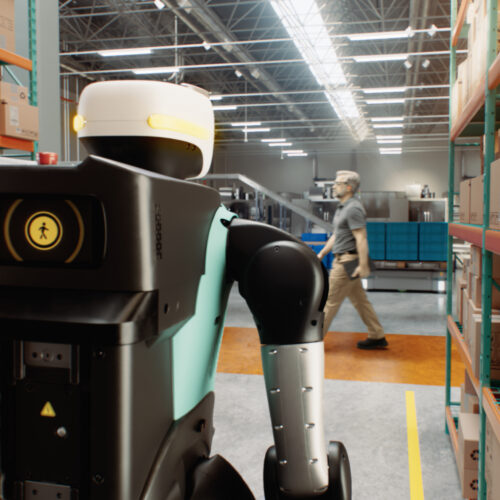
Nvidia has committed billions of dollars to the development of physical artificial intelligence (AI) technologies, extending its focus beyond AI data centers to encompass robotics and self-driving cars. A significant portion of this investment is directed towards creating comprehensive safety systems designed to mitigate the risks associated with autonomous machines interacting with their environment and people. These efforts aim to provide a foundation for companies developing AI-powered physical systems, thereby reducing the potential for harm.
Nvidia's initiative in this domain began with the launch of its Halos system in 2025. This system integrates both hardware and software components, offering developers essential tools to implement safety guardrails within autonomous vehicles and other self-driving applications. The goal was to ensure that these machines could operate safely in complex, real-world scenarios. Following the initial rollout for automotive applications, Nvidia expanded its safety architecture to a broader range of physical AI technologies.
In June 2026, the company announced the expansion of its safety framework with Nvidia Halos for Robotics. This extension specifically targets the safe deployment of autonomous mobile robots in various settings, including warehouses, factories, and potentially even surgical environments. The objective is to enable humanoid robots to navigate safely within industrial facilities and to ensure the secure operation of robots in sensitive applications like surgery. Amit Goel, head of robotics ecosystem and edge computing at Nvidia, highlighted that as AI models and robot hardware capabilities advance, safety has emerged as a critical bottleneck. He stated that the launch of Halos for Robotics is intended to unlock the full potential of these advanced physical AI systems by addressing these safety concerns.
This strategic investment in physical AI safety underscores Nvidia's long-term vision to be a foundational technology provider across the entire spectrum of AI, from software and data processing to the physical embodiment of AI in robots and vehicles. By developing robust safety solutions, Nvidia aims to accelerate the adoption of these technologies, fostering greater confidence among developers, regulators, and the public regarding the safe integration of AI into everyday life and industrial processes. The company's commitment reflects a belief that the future of AI is not solely in the digital realm but also in its tangible, physical manifestations, where safety is paramount.
Original source — read the full reporting at the publisher:
Read on Ars TechnicaGet the weekly AI digest
AI news + new model releases, weekly. Drafted by our agents, reviewed by humans.