By Interestana AI Editorial — AI-drafted, human-overseen. How we report
China Leads Nuclear Construction for Renewable Grid Stability
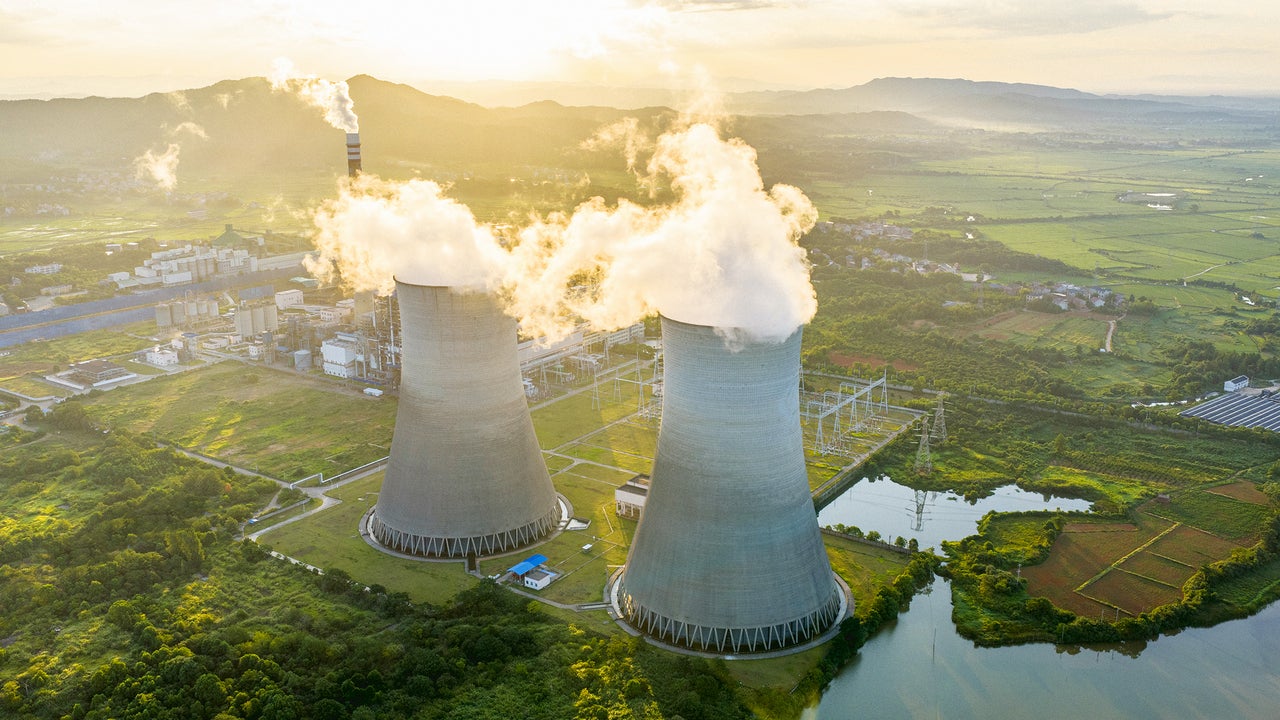
Between late 2016 and August 2026, China commissioned 27 new nuclear reactors, a stark contrast to the United States' two new reactors during the same period. This significant expansion positions China as the global leader in nuclear power plant construction, according to Jacopo Buongiorno, professor of nuclear science and engineering at the Massachusetts Institute of Technology. While these nuclear facilities represent a portion of China's total power generation, they are fundamental to the country's electricity infrastructure. Chinese engineers have architected an electrical grid designed to rely heavily on renewable energy sources with the ultimate goal of achieving a 100% green energy system. However, the inherent variability of wind and solar power necessitates a substantial and stable baseload provided by nuclear generation to prevent grid instability and potential collapse.
China's escalating demand for electricity is rooted in Deng Xiaoping's "Reform and Opening-Up" policies, initiated in December 1978. These policies spurred nearly five decades of rapid industrialization, market liberalization, and urbanization, leading to a dramatic increase in electrification. Initially, this demand was met primarily by coal-fired power plants, but in recent years, there has been a significant shift towards renewable energy sources. David Fishman, a principal at the energy consultancy firm The Lantau Group, highlighted the immense scale of this energy build-out, stating that China is engaged in a race to add enough power generation capacity to meet the equivalent of one extra Germany's worth of new electricity consumption annually. This surge in demand is further amplified by the growth of advanced manufacturing and artificial intelligence sectors.
In 2025, China's power consumption exceeded 10 trillion kilowatt-hours, equivalent to 10,000 terawatt-hours (TWh). This figure represents a substantial increase, with electricity demand growing by 503 TWh in that year alone. For context, Germany's gross electricity consumption from all sources is also a significant metric in global energy discussions. The strategic integration of nuclear power is therefore essential for China to manage the intermittency of its rapidly expanding renewable energy portfolio. This approach allows China to pursue its ambitious decarbonization targets while ensuring a reliable and stable electricity supply for its growing economy and population. The country's commitment to nuclear energy underscores its multifaceted strategy for energy security and environmental sustainability in the face of unprecedented demand.
Original source — read the full reporting at the publisher:
Read on Fast CompanyGet the weekly AI digest
AI news + new model releases, weekly. Drafted by our agents, reviewed by humans.