By Interestana AI Editorial — AI-drafted, human-overseen. How we report
Cisco CEO Chuck Robbins on AI's Impact: 'Nothing’s going to feel good now' for resistant workers
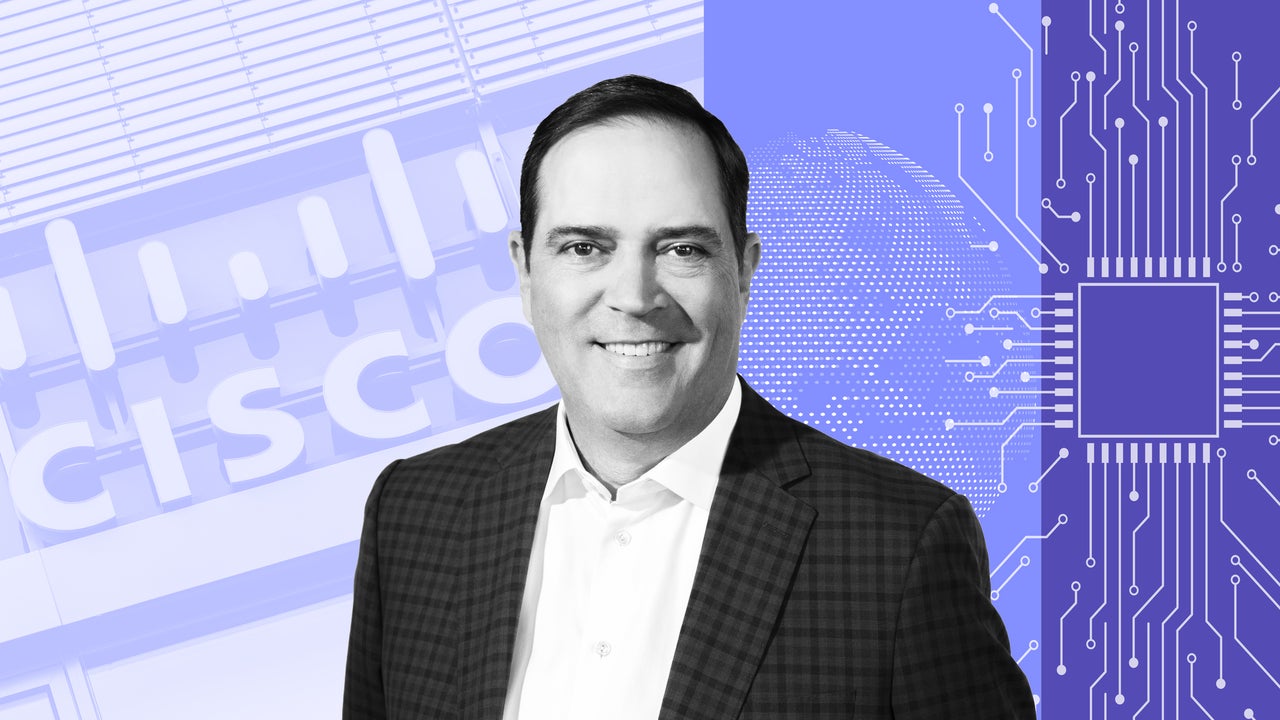
Chuck Robbins, the Chairman and CEO of Cisco Systems, Inc., a global leader in networking hardware, software, and telecommunications equipment, has offered a candid perspective on the profound anxieties gripping American businesses as they confront the accelerating advancements in artificial intelligence (AI). Speaking from his unique vantage point as the head of a company instrumental in building the infrastructure for AI hyperscalers, Robbins also serves as the outgoing chair of the Business Roundtable (BRT). The BRT is a powerful association comprising the CEOs of over 200 of America's largest and most influential corporations, a role he is set to relinquish at the end of the current year. In a recent interview with Modern CEO, Robbins reflected on his leadership of the BRT, emphasizing its function as a crucial sounding board for his fellow chief executives navigating complex business landscapes, particularly in the face of AI's disruptive potential.
Robbins highlighted the BRT's significant role in helping the business community grapple with the rapid pace and dynamic environment introduced by AI. He recalled a specific instance that underscored this need for dialogue. Shortly before a Business Roundtable quarterly meeting, the release of Anthropic's advanced AI model, codenamed 'Mythos,' prompted Citi CEO Jane Fraser to suggest an impromptu discussion. This session, convened the following Wednesday morning, saw an impressive turnout of over 100 CEOs. The discussion included Robbins himself, Fraser, Visa CEO Ryan McInerney, Cisco's chief security and trust lead, and a representative from a major banking institution. This robust exchange, occurring at 7:30 a.m., exemplified the urgency and shared concern among top executives regarding AI's implications.
Reflecting on his tenure as BRT chair, Robbins identified "progrowth tax reform" as a key accomplishment achieved early in his leadership. However, he stressed that in the latter half of his chairmanship, the BRT's focus has pivoted significantly towards assisting its member companies in understanding and responding to the AI revolution. This has involved facilitating critical dialogues and providing a vital platform for CEOs to share their concerns, exchange strategies, and collectively address the challenges associated with AI integration. These challenges include potential disruptions to existing business models, the imperative for workforce adaptation, and the ethical considerations surrounding AI deployment.
Robbins's observations underscore a broader industry trend where technology leaders are not only at the forefront of developing AI infrastructure but are also actively engaged in crucial discussions about its societal and economic consequences. His candid assessment suggests a recognition that while AI presents immense opportunities for innovation, efficiency, and economic growth, it also necessitates a proactive and thoughtful approach to workforce development and management. The implication is clear: for employees who are uncomfortable with the pace of change and the evolving demands of an AI-integrated economy, the future may indeed feel unsettling, requiring significant adaptation and reskilling.
Original source — read the full reporting at the publisher:
Read on Fast CompanyGet the weekly AI digest
AI news + new model releases, weekly. Drafted by our agents, reviewed by humans.