By Interestana AI Editorial — AI-drafted, human-overseen. How we report
Norway Plans Temporary Ban on Smart Glasses
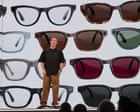
Norway is preparing to implement a temporary ban on the use of smart glasses in a range of public locations, reflecting growing international apprehension regarding the proliferation of AI-enabled recording devices. The Oslo government intends to introduce legislation that would prohibit the wearing and operation of camera-equipped spectacles in areas such as parks, beaches, museums, shopping centers, schools, daycare facilities, healthcare institutions, gyms, and public events. This proposed restriction, however, would not extend to private use.
The move by Norway follows similar concerns and actions taken in other countries. In the United Kingdom and the United States, camera-enabled smart glasses, such as those manufactured by Meta, have already faced restrictions due to fears of their potential for covert recording. These privacy concerns stem from the devices' ability to capture video and audio without the explicit knowledge or consent of individuals present, raising questions about personal data protection and the right to privacy in public and semi-public spaces.
The Norwegian government's proposal aims to strike a balance between technological innovation and the protection of individual privacy. By designating specific public areas where these devices would be prohibited, the government seeks to create zones where individuals can engage in activities without the constant worry of being surreptitiously recorded. The temporary nature of the ban suggests a period for further evaluation of the technology's impact and the development of potential long-term regulatory frameworks. This approach allows for a cautious integration of smart glasses into society while prioritizing the fundamental rights of citizens.
The legislation is expected to be presented as a bill, indicating a formal parliamentary process for its approval. The specific list of prohibited locations—parks, beaches, museums, shopping centers, schools, daycare centers, healthcare facilities, gyms, and public events—underscores the breadth of the government's concern, covering environments where personal interactions and sensitive information are common. The exemption for private use acknowledges the utility and personal freedom associated with such devices in non-public settings. The global discussion around the ethical implications of wearable technology and AI-powered surveillance is intensifying, and Norway's proposed ban is a significant development in this ongoing debate.
Original source — read the full reporting at the publisher:
Read on The Guardian WorldGet the weekly AI digest
AI news + new model releases, weekly. Drafted by our agents, reviewed by humans.